


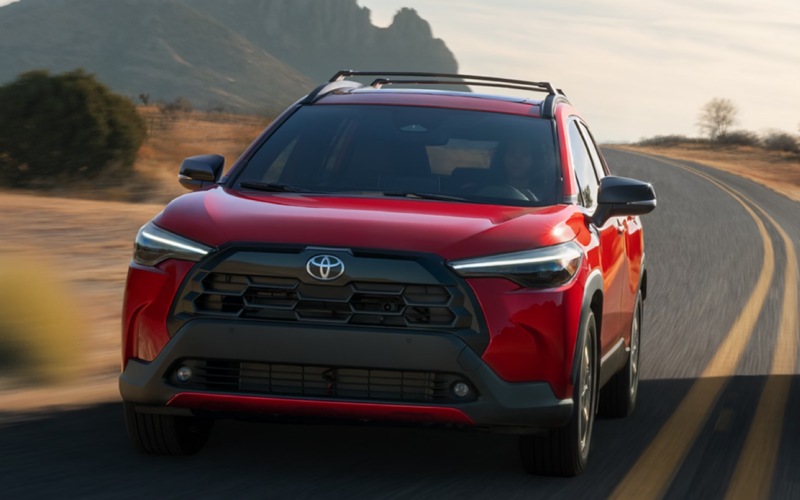
City Toyota – Which compact AWD offers more confidence in winter driving around Fort Benton, MT—the 2026 Toyota Corolla Cross or the 2026 Subaru Crosstrek?
When winter roads get slick, many shoppers ask a focused question: which compact SUV’s AWD inspires the most confidence on a typical Montana commute? Both the Toyota Corolla Cross and Subaru Crosstrek offer traction-forward hardware and useful driver assistance. This guide explains how each system works on real roads, how the safety tech supports your attention in low-grip conditions, and which extra features make cold mornings easier. You will find practical advice for choosing the setup that fits your routine, your terrain, and your comfort preferences.
The Corolla Cross offers two AWD approaches. Gas models feature an available mechanical AWD system tuned for predictable stability. Hybrid models use Electronic On-Demand All-Wheel Drive, adding an independent electric motor at the rear axle. That motor can send torque to the rear wheels in an instant, which helps the vehicle pull itself straight when a patch of ice surprises you mid-corner. Subaru equips every Crosstrek with Symmetrical All-Wheel Drive, a proven, balanced layout that maintains steady grip through the chassis. On plowed city streets and packed snow, both systems feel secure, but the Toyota hybrid’s quick rear-axle engagement can add a layer of composure you notice at low speeds — especially when starting from a stop on an incline.
Driver assistance also matters when traction is variable. The Corolla Cross includes Toyota Safety Sense™ 3.0, which adds Proactive Driving Assist to gently help with gap management and cornering while providing Full-Speed Range Dynamic Radar Cruise Control, Lane Tracing Assist, Lane Departure Alert with Steering Assist, and more. Crosstrek counters with EyeSight® Driver Assist Technology and the available DriverFocus Distraction Mitigation System. Both are comprehensive, but the Toyota’s 3.0 updates emphasize smoother, context-aware support that feels natural on messy commutes.
- AWD behavior on ice: Toyota’s Electronic On-Demand AWD engages the rear axle immediately; Subaru’s Symmetrical AWD is continuous and balanced.
- Low-speed control: The Corolla Cross hybrid’s electric rear motor reacts instantly; Crosstrek uses active torque split through the CVT.
- Driver assistance tuning: Toyota Safety Sense™ 3.0 adds Proactive Driving Assist; EyeSight® emphasizes lane and distance support with available DriverFocus.
- Winter-friendly features: Available heated front seats, heated steering wheel, rear-seat vents, and a power liftgate simplify cold-morning routines.
- Interface clarity: An available 12.3-in digital gauge cluster and 10.5-in Toyota Audio Multimedia present information cleanly with natural voice commands.
One more element to weigh is overall cabin calm. The Corolla Cross hybrid’s multi-link rear suspension and electric torque help keep cabin noise and vibration down when the road surface is uneven. Crosstrek’s ride is composed as well, especially with the added ground clearance of the Wilderness trim, but the Toyota’s hybrid tuning delivers a relaxed, unflustered feel on frost-heaved pavement. For many drivers, that makes commuting less tiring.
Ultimately, your best choice depends on where and how you drive. If your winter involves frequent starts on slick grades, the Corolla Cross hybrid’s immediate rear-axle help is a meaningful advantage. If you regularly reach unplowed trailheads, the Crosstrek’s standard AWD and available all-terrain tires on Wilderness provide confidence. If you want the broadest blend of traction, refinement, and intuitive driver assistance for daily life, the Toyota edges ahead for most commuters.
City Toyota is here to walk you through both systems, demonstrate feature differences, and help you test the technologies that matter for your winter routine. Our team is serving Lewistown, Fort Benton, and Kalispell with informed, friendly guidance so you can make a decision you feel great about for the season ahead.
Frequently Asked Questions:
How do the AWD systems feel different on a snowy stop-and-go commute?
On the Corolla Cross hybrid, the rear electric motor engages immediately, helping stabilize the vehicle as you accelerate and turn at low speeds. Crosstrek’s Symmetrical AWD is steady and predictable, with a mechanical feel that remains confident as speeds rise.
Which driver assistance package is more helpful in winter?
Both provide comprehensive support. Toyota Safety Sense™ 3.0 adds Proactive Driving Assist that gently helps manage spacing and cornering in everyday driving, while EyeSight® focuses on lane and distance functions with available DriverFocus for additional monitoring.
Which features make winter mornings easier?
Available heated seats and steering wheel, rear-seat vents, and a power liftgate on the Corolla Cross streamline cold starts and loading. Similar comfort features are available on the Crosstrek depending on trim, though a power rear gate is not offered.
Does the Corolla Cross hybrid feel more responsive in snow?
Yes, the instant torque and quick rear motor engagement add a composed, confident feel at low speeds, which many drivers notice when starting on icy surfaces or making tight turns on packed snow.
Request more 2026 Toyota Corolla Cross information
Connect with us


