


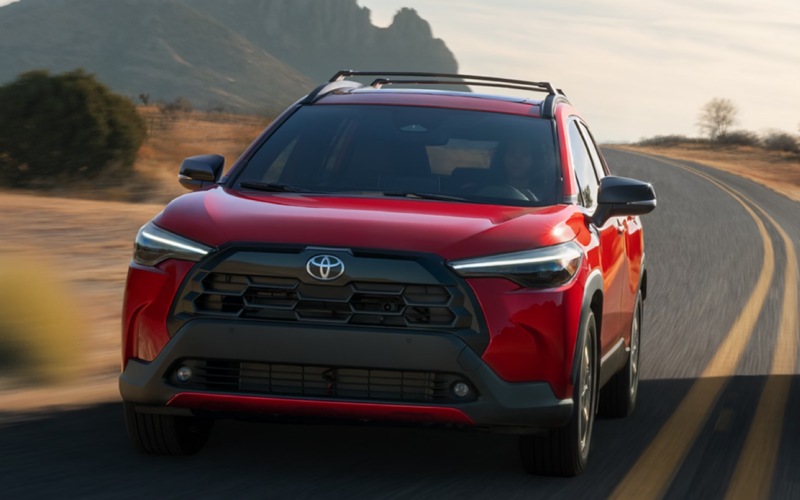
City Toyota – Toyota vs Ford for Workday Utility and Everyday Family Driving in Great Falls, MT
Shopping for a vehicle around Great Falls often means looking for one brand that can handle more than a simple commute. A typical week might include driving across 10th Avenue South, heading to work near Malmstrom Air Force Base, hauling supplies for a home project, taking family to activities, and making longer runs toward Fort Benton, Helena, Lewistown, or the Rocky Mountain Front. For that kind of mixed-use ownership, Toyota and Ford are two of the most common brands in the conversation.
Ford has a long history with trucks and SUVs, and many Montana drivers appreciate the brand for strong capability, familiar nameplates, and broad vehicle availability. Toyota brings a different kind of strength to the comparison: long-term dependability, efficient hybrid options, smart safety technology, and a lineup that feels especially practical for drivers who want confidence without unnecessary complexity. At City Toyota in Great Falls, MT, we see many shoppers comparing both brands because each one offers trucks, SUVs, family vehicles, and daily drivers that can fit life in north-central Montana.
The best choice depends on how you plan to use your next vehicle. If maximum truck customization or a very specific work-truck configuration is the priority, Ford deserves consideration. If you want an easy-to-own vehicle with a strong resale reputation, everyday comfort, available all-wheel drive or 4WD capability, and a wide range of hybrid choices, Toyota makes a very compelling case.
How Toyota and Ford Fit Real Life in Great Falls
Great Falls drivers often need a vehicle that can shift roles throughout the day. A midsize truck might be used for a morning commute, an afternoon stop at the hardware store, and a weekend drive on gravel roads outside Cascade County. A family SUV might need to be comfortable in town, efficient on long highway drives, and composed when road surfaces change. Both Toyota and Ford build vehicles for these needs, but each brand approaches the mission differently.
Toyota tends to focus on balanced capability. Models such as the Toyota Tacoma, Toyota Tundra, Toyota RAV4, Toyota Highlander, Toyota 4Runner, Toyota Land Cruiser, and Toyota Camry are designed to feel useful day after day, not just impressive on paper. Toyota also offers a strong selection of electrified vehicles, including hybrid and plug-in hybrid choices depending on model availability. That matters for Great Falls shoppers who want fewer fuel stops on longer drives without giving up practical space or capability.
Ford has clear strengths as well. The Ford F-150 is one of the most recognized trucks in America, and Ford SUVs such as Explorer, Bronco, Escape, and Expedition give shoppers a broad range of choices. Ford performance and off-road trims can be appealing for drivers who want a bold personality. However, for many local shoppers comparing long-term ownership, Toyota often stands out because of its reputation for durability, consistent quality, and straightforward usability.
Capability: Trucks, SUVs, and Rural Montana Roads
If your ownership scenario includes towing, hauling, unpaved roads, and family errands, Toyota gives you several ways to match a vehicle to your lifestyle. Tacoma is a strong fit for drivers who want midsize-truck maneuverability with genuine utility. Tundra offers full-size truck strength for heavier weekend and workday needs. 4Runner and Land Cruiser bring body-on-frame SUV confidence for shoppers who spend time beyond pavement. RAV4 and Highlander serve families who want daily comfort with useful traction options.
Ford also offers a wide capability range, especially with F-150, Ranger, Bronco, and Expedition. A Ford shopper may find more truck configurations in some segments, particularly across commercial and fleet-style use cases. That can be helpful for buyers who need a very specific bed, cab, or work setup. Still, Toyota’s truck and SUV lineup has a reputation for being easy to trust over time, which is important when your vehicle needs to start confidently on a busy weekday and still feel ready for a drive toward the Highwood Mountains or a weekend at the lake.
For local road conditions, traction and control matter as much as raw output. Toyota offers available AWD and 4WD systems across much of its lineup, along with off-road-focused features on select models and trims. Depending on the vehicle, shoppers may find systems such as Multi-Terrain Select, Crawl Control, electronically locking rear differentials, or advanced camera views that help on uneven terrain. Ford offers its own strong off-road technology on models such as Bronco and certain truck trims, but Toyota’s advantage is how broadly its vehicles serve both everyday driving and adventure use without feeling overly specialized.
Efficiency and Hybrid Choice: A Toyota Strength
One of Toyota’s biggest advantages over Ford is hybrid depth. Toyota has spent decades refining hybrid technology, and that experience shows across models such as Camry, Corolla, RAV4, Highlander, Grand Highlander, Crown, Sienna, Tundra i-FORCE MAX, Tacoma i-FORCE MAX, 4Runner i-FORCE MAX, and Sequoia i-FORCE MAX, depending on model year and availability. For a Great Falls driver who travels frequently between towns, hybrid efficiency can make everyday ownership feel easier.
Ford also offers electrified options, including hybrid and plug-in hybrid choices in select vehicles. The Ford Maverick Hybrid and Ford Escape Hybrid are good examples of Ford’s effort in this space. Even so, Toyota’s hybrid lineup is broader and more central to the brand identity. Toyota hybrids are not limited to one type of shopper. You can find efficient sedans, family SUVs, minivans, and even trucks with electrified powertrain options.
That variety is especially helpful if you are trying to future-proof your next vehicle. You may want a fuel-conscious commuter today, but still need cargo space, AWD availability, or towing capability tomorrow. Toyota gives you more ways to choose efficiency without moving away from the body style that fits your life.
Safety and Driver Assistance for Daily Confidence
Safety technology is another key factor for families, commuters, and rural drivers. Toyota Safety Sense is standard or widely available across many Toyota models, with features varying by model and year. Systems may include a Pre-Collision System with Pedestrian Detection, Lane Departure Alert, Lane Tracing Assist, Full-Speed Range Dynamic Radar Cruise Control, Road Sign Assist, and Automatic High Beams. Newer Toyota vehicles may offer Toyota Safety Sense 3.0 or Toyota Safety Sense 4.0 depending on model.
Ford offers Ford Co-Pilot360 technology on many vehicles, and available features can include automatic emergency braking, blind spot monitoring, lane-keeping assistance, and adaptive cruise control depending on model and trim. Ford safety technology is competitive, and many shoppers value the feature set. Toyota’s advantage is the way its driver assistance systems are often packaged with a broad focus on everyday usability. The systems are designed to support the driver in common situations, from busy intersections in Great Falls to long highway stretches across open country.
No safety system replaces attentive driving, but the right technology can reduce fatigue and add peace of mind. For a family vehicle, work vehicle, or daily commuter, Toyota’s safety-first approach is a meaningful reason to put the brand high on your list.
Ownership Experience: Service, Parts, and Long-Term Value
The vehicle itself is only part of the decision. Ownership support matters, especially when you depend on your vehicle for work, family, and travel. At City Toyota, our service center is staffed by Toyota-trained technicians who understand Toyota vehicles and use Genuine Toyota parts for service and repair. We can help with Toyota factory-scheduled maintenance, oil changes, tire rotations, battery replacement, brake repairs, and other service needs.
Toyota also supports new vehicle ownership with ToyotaCare, a no-cost maintenance plan with 24-hour roadside assistance. For shoppers comparing Toyota and Ford, this can be an important part of the peace-of-mind equation. Ford has a large dealer network and strong parts support as well, but Toyota’s reputation for low-stress ownership remains a major draw for many drivers.
City Toyota also works to make the shopping process easier with upfront pricing, a non-commissioned sales team, real cash value for trades, and dependable service. Our finance team can help shoppers understand available financing options, and our online tools make it simple to search inventory, value a trade, or begin pre-approval before visiting our dealership at 3900 10th Ave So in Great Falls.
Key Differences to Consider
If you are deciding between Toyota and Ford, it helps to focus on how each brand supports your real-world use case rather than comparing only one feature at a time. Here are some practical points to keep in mind:
- Long-term confidence: Toyota has a strong reputation for dependability, resale value, and low-stress ownership.
- Truck variety: Ford offers a very wide range of truck configurations, especially with the F-150, while Toyota focuses on proven capability with the Tacoma and Tundra.
- Hybrid availability: Toyota offers one of the broadest hybrid lineups in the industry across cars, SUVs, minivans, and trucks.
- Daily drivability: Toyota models often feel easy to live with, comfortable in town, and composed on longer Montana drives.
- Off-road personality: Both brands offer capable off-road choices, but Toyota’s Tacoma, 4Runner, Land Cruiser, and TRD models have a deep reputation among adventure-focused drivers.
- Service support: City Toyota provides Toyota-trained service, Genuine Toyota parts, and convenient maintenance support in Great Falls.
These differences do not make Ford a poor choice. Ford builds capable vehicles that fit many Montana lifestyles. The reason Toyota often rises to the top is balance. Toyota gives you capability, efficiency, safety, and long-term ownership confidence in a way that works for daily routines as well as weekend plans.
Which Brand Is the Better Fit for You?
Choose Toyota if you want a vehicle built around long-term reliability, efficient powertrain options, practical technology, and confident performance across town, highway, and rural roads. Toyota is also a strong match if you value a simplified ownership experience with service support from a local dealership that knows the brand inside and out.
Choose Ford if you need a very specific truck configuration, prefer Ford’s styling or performance character, or have brand loyalty based on past ownership. Ford remains a strong competitor, particularly in the full-size truck market. Still, for many Great Falls shoppers who want one vehicle to serve work, family, recreation, and longer Montana drives, Toyota offers a more complete blend of everyday value.
At City Toyota, we are here to help you compare options without pressure. Whether you are interested in a new Toyota truck, SUV, sedan, hybrid, or a quality pre-owned vehicle, our team can walk you through features, trade-in options, financing steps, and service support so you can choose with confidence.
Frequently Asked Questions:
Is Toyota or Ford better for Great Falls drivers?
Both brands can work well in Great Falls, but Toyota is especially strong for shoppers who want dependability, hybrid efficiency, available AWD or 4WD capability, and practical safety technology for daily driving and Montana road trips.
Does Toyota offer enough truck capability compared to Ford?
Yes. Toyota Tacoma and Toyota Tundra cover many midsize and full-size truck needs, including hauling, towing, commuting, and outdoor recreation. Ford offers more truck configurations in some cases, but Toyota stands out for long-term confidence and balanced capability.
Which brand has better hybrid options, Toyota or Ford?
Toyota has a broader hybrid lineup across more body styles. Ford offers select hybrid models, but Toyota makes hybrid technology available in sedans, SUVs, trucks, and family vehicles, depending on inventory and model year.
Can City Toyota help with service after purchase?
Yes. Our City Toyota Service Center in Great Falls offers Toyota factory-scheduled maintenance, oil changes, tire rotations, brake service, battery replacement, and repairs using Toyota-trained technicians and Genuine Toyota parts.
Where can I compare Toyota vehicles in Great Falls, MT?
You can visit City Toyota at 3900 10th Ave So, Great Falls, MT 59405. Our team can help you compare Toyota models, review trade options, explore financing, and schedule a test drive.
Request more information
Is the 2026 Toyota Grand Highlander’s third row truly adult-ready for families around Whitefish, MT?
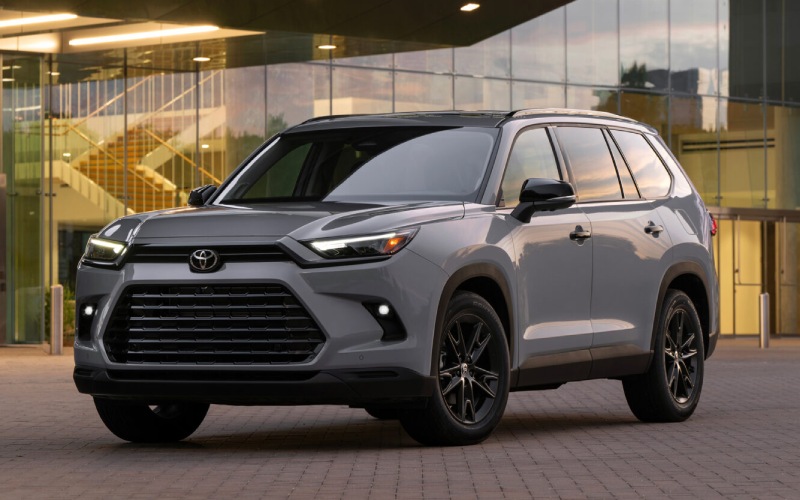
City Toyota – Is the 2026 Toyota Grand Highlander’s third row truly adult-ready for families around Whitefish, MT?
Families weighing a three-row SUV often ask how usable the way-back seats really are. In the 2026 Toyota Grand Highlander, the third row was engineered with adult comfort in mind, and if your life includes carpool rotations, grandparents on board, or weekend friends’ trips, that detail matters more than it might seem. Let’s take a closer look at the space, access, and everyday usability so you can decide if it matches your routine around Whitefish, MT and beyond.
Unlike mid-size SUVs that reserve the rear-most seats for occasional kids-only duty, the Grand Highlander’s third row delivers 33.5 inches of leg room, along with a cushion height and floor depth that help adults settle in without feeling folded up. Pair that with wide rear door openings and the option for second-row captain’s chairs, and you have an interior designed to make getting in and out simple, even in tighter parking lots or when your hands are full. If you’ve ever tried to seat three across in a compact third row, you’ll appreciate the difference right away.
Dimensions and Design That Make a Difference
The numbers tell part of the story—33.5 inches of third-row leg room is substantial—but design details complete it. The seats themselves are shaped to support longer rides, and the floor is arranged to avoid awkward knee angles for taller passengers. When you need to reconfigure the cabin, fold-flat seatbacks create a smooth load floor reaching up to 97.5 cu. ft. for bulky cargo, while still allowing quick access back to people-moving mode. It’s a flexible layout that meets the ever-shifting demands of family life, from a Costco run to a weekend at the lake.
Storage nooks and 13 cup/bottle holders add small but meaningful conveniences for third-row riders, too. Those touches limit the clutter that can creep into the back of a family vehicle, and they keep snacks, water bottles, and small devices right where your passengers expect them. With available three-zone automatic climate control, everyone can dial in comfort instead of competing for a single setting.
Access That Keeps Things Moving
Third-row access makes or breaks how often you’ll truly use it. The Grand Highlander’s wide-opening rear doors and helpful step-in height immediately ease entry. If you opt for second-row captain’s chairs, you gain a walkthrough aisle to the back—no need to flip seats while juggling backpacks. Families using a second-row bench will still find the tilt-and-slide function straightforward for quick transitions before school or team practice.
Once seated, third-row passengers benefit from good outward visibility, which helps reduce the boxed-in feeling some SUVs create at the rear. That visibility works nicely with available tech like Panoramic View Monitor, which gives the driver a high-clarity, bird’s-eye camera perspective for reversing near curbs or guiding into a tight space when every inch counts.
Ride Comfort and Cabin Quiet
Comfort isn’t just dimensions—it’s the way the vehicle rides. The Grand Highlander’s chassis tuning and available all-wheel-drive capability provide a calm, composed feel on everything from town streets to long highway stretches. Hybrid and Hybrid MAX powertrains offer smooth, quiet acceleration that keeps cabin conversations easy. On longer drives, the combination of seat support, reduced cabin noise, and consistent road manners helps back-row passengers arrive in good spirits rather than asking, “Are we there yet?”
For families who regularly pack in seven or eight, available heated and ventilated first- and second-row seats, plus a heated steering wheel, bring added comfort for the driver and co-pilot. And when the cabin is full and the rear window is blocked by tall items, the available Digital Rearview Mirror maintains a clear, wide-angle view behind the vehicle so you can back up and change lanes with more confidence.
Tech That Eases the Drive
The 12.3-in. Toyota Audio Multimedia system keeps everyone engaged, with wireless Apple CarPlay and Android Auto compatibility to reduce cable clutter and speed up departures. Integrated navigation and connected features help with route planning when you’re shuttling between school, practice, and appointments. If your day includes a stretch of congested freeway, available Traffic Jam Assist can help ease the most tedious part of the drive on controlled-access roads, as conditions allow.
Standard Toyota Safety Sense 3.0 supports everyday driving with a suite of active safety and driver assistance features. It’s a quiet but important layer of technology designed to help you stay focused and confident, whether you’re navigating busy town routes or pointing toward more open roads.
How To Tell If It’s the Right Fit for Your Crew
The smartest way to decide if this third row is a match for your life is to bring your crew and your gear for a thorough test drive. Have adults try the back, fold and slide the second row, and simulate your typical loadout. If you often carry a stroller, a cooler, or sports bags, pack them in. Confirm how quickly you can go from full-seating mode to maximum cargo mode and back again. It’s also worth pairing your phone to the multimedia system and testing out features like the Digital Rearview Mirror and Panoramic View Monitor to see how they simplify tight maneuvering when the cabin is full.
City Toyota is serving Whitefish, Great Falls, and Helena with a team that understands how families actually use their three-row SUVs. We’ll set up a practical drive route and help you compare seating options, powertrains, and available all-wheel-drive capability to match how you live and where you go most often.
Frequently Asked Questions:
Can adults ride comfortably in the third row for longer trips?
Yes. With 33.5 inches of leg room and a seat design that supports more natural knee and hip angles, adults can ride comfortably in the third row—not just for short hops but for extended drives as well.
Is access to the third row easy with car seats installed?
Opting for second-row captain’s chairs creates a center aisle, which helps when a child seat occupies one of the captain’s chairs. With a second-row bench, the tilt-and-slide function is designed to simplify entry, though you’ll want to test it with your specific car seat setup.
How much cargo room is left with all three rows up?
Even with the third row upright, there’s 20.6 cu. ft. of space—enough for groceries, a couple of duffel bags, or a folding stroller. Flexibility grows quickly as you fold rows to reach up to 97.5 cu. ft.
Does the Grand Highlander’s ride feel stable with a full load of passengers?
Yes. The chassis tuning aims for a calm, composed ride, and available all-wheel-drive capability adds extra confidence. Hybrid and Hybrid MAX models deliver smooth power that helps the vehicle feel responsive and relaxed, even when fully loaded.
When a third row is truly adult-friendly, it changes how often you’ll say yes to bringing more people along in one vehicle. The 2026 Toyota Grand Highlander makes that easy. If you want a real-world evaluation, schedule a test drive and bring the family—it’s the best way to see how this cabin adapts to your life.
Request more 2026 Toyota Grand Highlander information
Does the 2026 Toyota 4Runner’s Stabilizer Disconnect Mechanism help on rocky trailheads near Whitefish, MT?
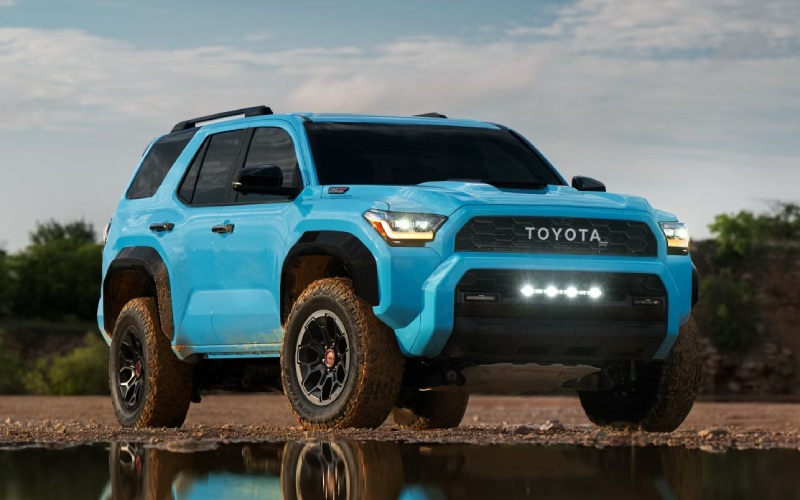
City Toyota – Does the 2026 Toyota 4Runner’s Stabilizer Disconnect Mechanism help on rocky trailheads near Whitefish, MT?
Drivers tackling rutted forest roads and rocky pullouts want to know if the 2026 Toyota 4Runner’s available Stabilizer Disconnect Mechanism is more than a buzzworthy spec. The short answer is that SDM matters because it boosts front suspension articulation at the push of a button, helping your tires maintain contact as the terrain tilts and twists beneath you. The outcome is more traction when you need it and the same on-road composure you expect when you’re back on pavement.
Let’s break down why this feature changes the drive, how it works with the 4Runner’s other trail systems, and which trims to target if your weekends include scouting remote put-ins or climbing crag approaches.
What SDM Does and Why It Matters
The front stabilizer bar reduces body roll on paved roads, keeping handling flatter and more controlled. Off-road, that same bar can limit how much each front wheel can move up or down relative to the body—what enthusiasts call articulation. By electronically disconnecting the bar, SDM allows the suspension to flex more. With greater flex, each tire stays in contact with uneven ground more easily, improving grip and stability over obstacles like offset ruts, embedded rocks, and shelfy ledges.
When you’re done with the rough stuff, the system reconnects for familiar, composed cornering. It’s a best-of-both-worlds setup: articulation when you want it, flat handling the rest of the time.
How SDM Complements Other Trail Systems
Think of SDM as a mechanical advantage that pairs with the 4Runner’s smart traction tools. Multi-Terrain Select (MTS) tunes throttle and traction control behavior for surfaces like Mud, Sand, or Rock. Crawl Control (CRAWL) manages low-speed throttle and braking to help you focus on steering through technical sections. The available Multi-Terrain Monitor (MTM) shows selectable camera views—front, side, or rear—so you can place tires precisely. Add the available i-FORCE MAX hybrid’s torque-rich output—up to 326 horsepower and 465 lb.-ft. of torque—and you have smooth, predictable control when the trail demands finesse.
On select grades, suspension hardware further refines how all this comes together. TRD Off-Road models can feature Bilstein® monotube shocks with remote reservoirs, while TRD Pro steps up to FOX® 2.5-in. Internal Bypass QS3 shocks and 33-in. all-terrain tires. Trailhunter brings Old Man Emu 2.5-in. forged shocks with rear piggyback-style remote reservoirs and overlanding-focused hardware. Each path supports SDM’s benefits in different ways.
Where You’ll Feel SDM Working
Picture a series of alternating holes or rocks—your left front drops in while your right front climbs. Without extra articulation, one tire can unload and spin. With SDM, the wheel travel increases, keeping traction more consistent. You’ll also notice it on angled approaches, where getting a front tire up and over a ledge is smoother and requires less momentum.
Around trailheads near Whitefish, MT, this can mean more composed progress up a rooty service road, less rocking over washouts, and a calmer cabin as the chassis absorbs the offset terrain. The benefit isn’t just speed—it’s control, which reduces the chance of scraping underbody components or spinning a tire at the wrong moment.
Which Trims to Look At
If SDM is on your must-have list, look at off-road-focused grades where it’s available. Pair it with Part-Time or Full-Time 4WD based on your preference, and consider tires that match your surfaces. For frequent rocky routes, a setup with robust shocks and 33-in. all-terrain tires will complement SDM’s extra flex. If your typical dirt roads are milder, you might prioritize comfort features and keep SDM in your back pocket for the occasional challenge.
Don’t overlook complementary utility: the signature power rear window for quick cargo access, tumble fold rear seats for bulky gear, and the available onboard air compressor in the cargo area for tire pressure management after airing down.
Test-Driving SDM the Smart Way
On a test drive, find a controlled environment with offset bumps or a mild articulation ramp. Engage 4WD as appropriate, select the right MTS mode, and activate SDM. Move slowly and feel how the front wheels step up and down with steadier contact. Then drive the same section with SDM off to notice the difference. Back on pavement, switch SDM off and feel the flat, secure handling return.
As a team serving Bozeman, Whitefish, and Great Falls, we encourage drivers to focus on realistic scenarios—tight switchbacks, washouts, and uneven trailhead approaches—rather than showy obstacles. The goal is control, not theatrics.
Frequently Asked Questions:
Is SDM helpful if I only tackle mild dirt roads?
Yes, though its most dramatic benefits appear on uneven surfaces. Even on mild roads, SDM can smooth out offset ruts or culverts, letting you maintain a steady pace with less cabin head toss.
Do I need 33-in. tires to benefit from SDM?
No. Larger, more aggressive tires can enhance traction and clearance, but SDM improves articulation regardless of tire size. Choose your tire based on the surfaces you encounter most frequently.
How does SDM interact with Crawl Control (CRAWL)?
Think of SDM as increasing mechanical grip, while CRAWL fine-tunes throttle and braking at very low speeds. Together, they help you maintain momentum and steer precisely over obstacles without heavy inputs.
Will SDM make on-road handling feel loose?
No. When deactivated, the stabilizer bar is connected, so on-road handling remains flat and controlled. The system is designed to give you articulation off-road and the composed feel you want back on pavement.
In short, the available Stabilizer Disconnect Mechanism is not just a spec-sheet highlight—it’s a practical tool that gives you more usable grip and calmer progress on uneven ground. Pair it with the right 4WD system, traction settings, and tires, and the 4Runner becomes an even more confident partner for trailheads and backroads alike. If you’d like a guided demo that mirrors your routes, our product specialists at City Toyota can walk you through SDM and the rest of the 4Runner’s trail tech and help you decide which configuration best matches your plans.
Request more 2026 Toyota 4Runner information
What Does the 2026 Toyota Tacoma’s Trailer Backup Guide with Straight Path Assist Do for Bozeman, MT Drivers?
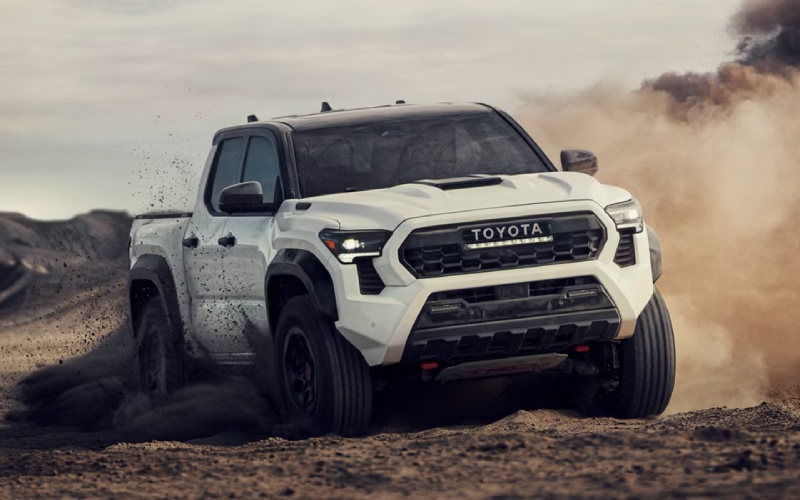
City Toyota – What Does the 2026 Toyota Tacoma’s Trailer Backup Guide with Straight Path Assist Do for Bozeman, MT Drivers?
Towing confidently in a midsize truck isn’t just about the numbers on a spec sheet. It’s also about the technology that helps you manage real-world situations like backing into a tight driveway, easing into a campsite, or lining up at a busy boat launch. That’s where the 2026 Toyota Tacoma’s available Trailer Backup Guide with Straight Path Assist steps in, delivering guidance that can make reversing a trailer feel more predictable and less stressful for Bozeman, MT drivers.
This blog unpacks what the system is, how it works, and how to get the most out of it on your own test drive. Whether you tow several times a month or only a few weekends a year, the right technology can transform the experience from white-knuckle to second-nature.
Why this towing tech matters around Bozeman, MT
Between trailheads, home projects, and weekend getaways, drivers around Bozeman ask their trucks to do a little of everything. Backing a trailer on narrow neighborhood streets or into a crowded campground can be the most nerve-wracking part of the trip. The Tacoma’s available Trailer Backup Guide with Straight Path Assist helps you keep the trailer on a straight line while reversing, which is often the first and most important step to getting into position cleanly.
Pair that with Tacoma’s available integrated brake controller and Blind Spot Monitor (BSM) that can extend detection when a trailer is recognized, and you get a package that helps from the moment you hook up to the moment you park. Add the available 12.3-In. Digital Gauge Cluster and 14-In. Audio Multimedia Display, and key information and camera views are right where you need them.
How Trailer Backup Guide with Straight Path Assist works
When enabled, Straight Path Assist uses steering input guidance to help you reverse in a straight line. That’s especially useful at the start of a backing maneuver, where getting aligned sets the stage for everything else. The Tacoma’s cameras and on-screen guidance make it easier to visualize what the truck and trailer are doing in real time, so you spend less energy guessing and more time making steady, deliberate inputs.
For tight spots, you can also lean on the available 3D Multi-Terrain Monitor (MTM) and rear camera views to understand proximity to curbs, posts, and terrain. The integrated brake controller helps you modulate trailer brakes for smooth, predictable stops while backing and pulling forward.
Setting up for success
Before you reverse, the basics still matter. Correct hitch setup, even load distribution, and clear sightlines lay the groundwork for a smooth maneuver. Tacoma’s displays and prompts help confirm your trailer profile and visibility settings, so the guidance you see on-screen matches what’s happening behind you.
- Confirm your hitch connection and safety chains are secure
- Verify trailer lighting and, if applicable, brake connection
- Align your starting position to reduce the steering you need
- Engage the camera view and Straight Path Assist guidance
- Use slow, deliberate inputs while monitoring the screen and mirrors
The first few feet of reversing are often the trickiest. With Straight Path Assist helping you hold alignment, you can then make small adjustments to angle into your final space without fighting a zigzagging trailer.
Beyond the basics: everyday advantages
On a busy Saturday near trailheads or boat ramps, the ability to back in smoothly frees up your attention for what’s happening around you. Straight Path Assist can simplify the initial approach, while available BSM with trailer recognition helps keep track of vehicles and cyclists flowing past your flanks. The combination encourages you to make confident, controlled moves rather than rushing or second-guessing.
Even if you tow infrequently, having this system onboard removes a major source of stress. It also helps teach good habits—slowing down, setting up your position early, and watching both mirrors and the on-screen guidance. In a way, it acts like an extra set of calm instructions when you need them most.
Pairing with Tacoma’s visibility and control tech
What elevates Tacoma’s towing support is how it works alongside other systems. The available 3D MTM provides useful camera angles and perspectives, so you understand your surroundings—curbs, obstacles, and ground clearance—before and during a maneuver. The available 12.3-In. Digital Gauge Cluster helps surface towing functions and alerts, and the 14-In. Audio Multimedia Display presents big, clear graphics that are easy to read at a glance.
On the move, Toyota Safety Sense™ 3.0 and available premium LED headlights add to everyday confidence, whether you’re navigating pre-dawn starts or returning to town after sunset. Altogether, Tacoma feels deliberately designed around the details that reduce towing fatigue.
What about power and drivability?
Backing a trailer is only part of the story. The Tacoma offers a turbocharged i-FORCE gas powertrain or the i-FORCE MAX hybrid powertrain, with the latter delivering up to 326 horsepower and 465 lb.-ft. of torque. That torque helps when pulling away from a ramp or climbing a grade on the way to your campsite. An available 8-speed automatic transmission handles towing duty smoothly, and select grades even offer an available 6-speed intelligent Manual Transmission (iMT) for those who want a more hands-on feel.
Chassis tuning also contributes to towing composure. Tacoma’s purpose-built suspension options and multi-link rear suspension promote stability over imperfect pavement and gravel. If you split your time between towing and exploring, available Stabilizer Disconnect Mechanism (SDM) and Crawl Control (CRAWL) on select models add capability once you’re unhitched and heading up a rough access road.
Test-drive tips to evaluate towing tech
If you’re planning to tow, a thoughtfully planned test drive makes a big difference. Ask to explore the camera system and on-screen guidance in a safe area, and spend time getting familiar with the menus and prompts.
- Explore the 14-In. display and set up a trailer profile if available
- Engage the camera views to understand sightlines and guidelines
- Practice a short straight-line reverse to feel the guidance at work
- Assess throttle and brake modulation with the integrated brake controller
- Try a few slow-speed steering corrections to build muscle memory
You’ll quickly get a feel for how the truck communicates and how the guidance supports you, particularly in those first critical feet of a backing maneuver.
Frequently Asked Questions:
Do I need to tow frequently to benefit from Straight Path Assist?
No. Even occasional towers find value in guidance that helps maintain alignment during the most challenging part of reversing. It shortens the learning curve and reduces stress.
Does the system replace driver attention and mirrors?
It’s a helpful aid, not a substitute. Keep your speed low, use mirrors, watch your surroundings, and use the on-screen guidance to reinforce alignment and awareness.
How does Blind Spot Monitor (BSM) help when towing?
When a trailer is recognized, BSM can extend its detection area along the sides to help monitor adjacent lanes—useful when traffic is flowing around you at a ramp or on the highway.
Can I still choose my preferred powertrain for towing?
Yes. Tacoma offers the turbocharged i-FORCE gas powertrain and the i-FORCE MAX hybrid powertrain. Both are engineered for confident drivability, with the hybrid delivering robust torque for pulling away cleanly.
For shoppers comparing dealerships, City Toyota is serving Fort Benton, Kalispell, and Bozeman with product specialists who can walk you through these systems in a way that matches your routes and routines. A short, hands-on demo often answers more questions than a spec sheet ever could.
Request more 2026 Toyota Tacoma information
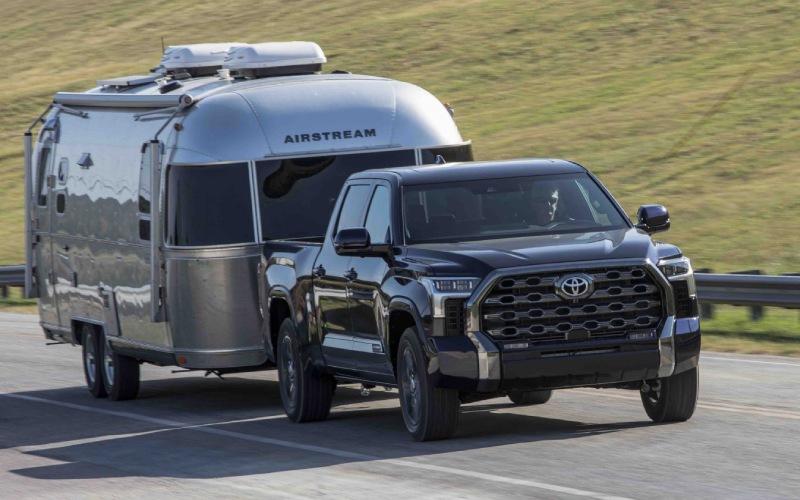
City Toyota – Which 2026 Toyota Tundra bed length fits daily hauling needs around Kalispell, MT?
Choosing the right bed length for a truck matters more than most shoppers realize, and the 2026 Toyota Tundra makes that decision easier with three durable composite options that resist dents, dings, and rust. If you haul building materials during the week and bikes or coolers on the weekend, picking the 5.5-ft., 6.5-ft., or 8.1-ft. bed is about more than cargo—it affects wheelbase, turning ease, and how comfortably the truck fits your garage or parking routines around town.
What are the Tundra’s bed choices and who are they for?
Tundra offers 5.5-ft., 6.5-ft., and 8.1-ft. aluminum-reinforced composite beds. The 5.5-ft. bed is a smart match for urban or tight neighborhood streets where maneuverability and garage fit are priorities, while still easily handling coolers, tools, and camping gear. The 6.5-ft. bed adds length for landscaping equipment, ladders, or dirt bikes without stretching overall length too far. The 8.1-ft. bed is the work-ready choice when you frequently carry longer construction materials, full-size appliances, or bulky cargo that benefits from added surface area.
How does bed length affect daily driving and parking?
Longer beds typically come with longer wheelbases, which can slightly widen turning circles and make tight lots feel busier. The flip side is stability—longer wheelbases can feel settled at highway speeds and more composed with a full load. If you navigate narrow alleys, tight driveways, or older garages, the 5.5-ft. or 6.5-ft. options may offer an easier daily rhythm. If your days revolve around lumber, pipe, or gear that hangs out of shorter beds, the 8.1-ft. bed minimizes tailgate-down trips and strap gymnastics.
Will the composite bed really hold up?
Yes. Tundra’s aluminum-reinforced composite bed is built to shrug off the typical wear that can scar steel. The material resists dents, impacts, dings, and rust, so jobsite drops and weekend use don’t add up to an early bedliner replacement. It’s a practical advantage that you’ll notice over time—less cosmetic worry and a bed that cleans up quickly after messy loads.
How does towing factor into the bed-length decision?
When towing, wheelbase and weight distribution shape the truck’s behavior. A longer wheelbase associated with longer beds can add a planted feel with a properly equipped trailer, working with Tundra’s standard Multi-Link Rear Suspension to keep things settled. If you frequently tow in close quarters—think angled driveways or narrow approaches—the 5.5-ft. or 6.5-ft. beds may make life easier without sacrificing the capability you need.
What tech helps when maneuvering with cargo or a trailer?
Tundra’s available Panoramic View Monitor provides a 360-degree camera view that’s incredibly helpful when positioning a long-bed truck in a tight space. For backing with a trailer, available Trailer Backup Guide With Straight Path Assist uses cameras and sensors to help keep the trailer straight as you reverse—reducing over-corrections and making the process feel more predictable. Pair these with the available 12.3-In. Digital Gauge Cluster and 14-In. Multimedia Touchscreen, and you have information and camera angles where you need them, when you need them.
Quick ways to narrow your pick
Use your day-to-day reality as the filter. If your weekdays center on tools and materials, and your weekends involve motorsports or yard projects, the 6.5-ft. bed often strikes a sweet spot between capacity and maneuverability. If your work demands maximum floor length—think siding, drywall, or piping—the 8.1-ft. bed is tough to beat. And if simple parking, tight streets, or garage depth are the hang-ups, the 5.5-ft. bed usually delivers the least friction without abandoning the utility that makes Tundra so capable.
- Garage Fit: Measure door-to-back-wall depth and allow room for walking clearance, shelves, or a closed tailgate.
- Typical Cargo: List your top five items by length to see if a shorter bed works with diagonal loading or if a longer bed saves time.
- Turning Needs: Consider alleys, construction zones, and parking lots you visit daily and how much space you usually have.
- Tow-Friendly Balance: If towing is frequent, note how a longer wheelbase can feel more planted with a properly equipped trailer.
- Growth Room: Think six months ahead—is your gear getting bigger or your projects more demanding?
What about off-road packages and bed protection?
If you’re aiming for trail time, the Tundra TRD Family offers the available TRD Off-Road Package and TRD Pro trim, layering on enhancements that complement the bed’s durability with additional chassis confidence. For owners who frequently haul loose aggregate or dirty gear, a rubber mat and tie-down accessories can keep loads in place while preserving that composite surface. The factory bed was built to stand up to real use, but smart accessories can tailor it perfectly to your routine.
Where to get personalized guidance
You do not have to decide alone. City Toyota is serving Kalispell, Bozeman, and Whitefish with team members who can walk you through bed-length implications, cab configurations, and powertrain choices based on your routes and gear list. Bring measurements, photos of your garage, and a rundown of what you haul. We will help you map the trade-offs so your final setup moves through your day with less effort and more confidence.
However you configure it, the Tundra’s aluminum-reinforced composite bed gives you a durable foundation. Match that foundation to your real-world constraints—where you park, how you turn, and what you carry—and you will feel the benefits every day. If you are ready to put a few options side by side, schedule a hands-on walkaround and a focused test drive route that mirrors your daily cycle. The right bed length will make itself obvious once you see it working for your routine.
Request more 2026 Toyota Tundra information
What makes Full-Time 4WD in the 2027 Toyota Land Cruiser so reassuring around Fort Benton, MT?

City Toyota – What makes Full-Time 4WD in the 2027 Toyota Land Cruiser so reassuring around Fort Benton, MT?
Drivers who split time between town streets and gravel farm-to-market roads want capability that never feels complicated. Full-time 4WD in the 2027 Land Cruiser was engineered to be just that—simple, continuous traction that quietly supports you on any drive, whether you’re dropping the kids at practice or following a scenic county road along the Missouri near Fort Benton, MT.
Instead of asking you to choose when to engage 4WD, the Land Cruiser’s system is always on. Power flows to both axles, improving stability and traction as surfaces change. It’s confidence you can feel when a smooth stretch turns to chip seal, then to washboard. And because the system pairs with an electronically controlled 2-speed transfer case, you still have the low-range control you want for creeping up a rutted access trail or easing down a steep boat ramp.
Why continuous traction matters on varied Montana roads
Rural routes can throw multiple surfaces at you in a single mile. With full-time 4WD, you don’t have to predict exactly when grip might drop—the system is already sending power where it’s needed. That translates to smooth, predictable control as you transition from pavement to gravel and back again. Add the Land Cruiser’s 2.4L 4 Cylinder i-FORCE MAX Hybrid with 465 lb.-ft. of torque, and you’ve got a drivetrain that responds decisively without drama.
For low-speed technical moments, standard Crawl Control (CRAWL) takes over throttle and braking so you can steer, while available Multi-Terrain Select (MTS) optimizes traction control for surfaces like mud, sand, or rock. It’s the kind of integrated approach that turns challenging sections into manageable ones, especially when you’re balancing passengers, gear, and time.
Trail awareness you can see
If you opt for the Land Cruiser trim, available Multi-Terrain Monitor (MTM) becomes a quiet game-changer. Cameras can show a close-up view near the tires, helping you avoid hidden obstacles and place your wheels more accurately. Out front, Rigid Industries® color-selectable LED fog lights let you choose a crisp white beam or a contrast-boosting yellow tone for denser conditions. Put simply, better visibility equals better decisions—on the trail and in town.
And when daylight blends into dinner time, the Land Cruiser’s comfort and convenience features keep the day moving smoothly. Heated front seats and steering wheel, Qi Wireless Charging and USB-C Ports, and a Head-Up Display all contribute to a relaxed, focused drive as you roll back toward Fort Benton.
How to evaluate the system on a test drive
To understand full-time 4WD in the real world, make sure your route includes a mix of surfaces. As you move from smooth asphalt to rougher pavement and then onto gravel, notice how planted the Land Cruiser feels and how consistently it puts power down. Try the three Drive Modes—Sport, Eco, and Normal—to feel how throttle response changes to suit your style.
- Surface transitions: Seek out a route that includes pavement, chip seal, and a safe, maintained gravel section to feel the system’s steadiness.
- Low-speed control: In a controlled environment, have a specialist demonstrate Crawl Control (CRAWL) so you can experience how it manages throttle and braking.
- Visibility tools: If equipped, toggle Multi-Terrain Monitor (MTM) in a safe setting to see how the cameras frame close obstacles.
- Tech and comfort: Use Qi Wireless Charging and USB-C Ports, adjust heated features, and check the Head-Up Display for preferred positioning.
By evaluating a few targeted moments, you’ll get a true sense of how the Land Cruiser’s 4WD system calmly supports you on the roads you actually drive.
Capability and calm for daily life
The Land Cruiser’s full-time 4WD system isn’t just about remote trails—it’s about everyday assurance. With consistent torque to both axles, the SUV feels settled and predictable across the varied surfaces you’ll find between neighborhoods, fields, and river access sites. The result is a vehicle that reduces the mental workload behind the wheel, while still giving you the low-range tools and hybrid torque to take on the longer weekend.
If you’re weighing SUVs that promise capability, focus on how they deliver it. Continuous traction, a 2-speed transfer case, and trail aids like CRAWL and MTS reveal a thoughtful approach to real-world driving. It’s one reason shoppers from communities that we serve, like Helena, Lewistown, and Fort Benton, find the Land Cruiser such a natural fit for daily life and weekend plans alike.
Frequently Asked Questions:
Is full-time 4WD standard on the 2027 Land Cruiser?
Yes. Every Land Cruiser includes standard full-time 4WD with an electronically controlled 2-speed transfer case for high and low range operation.
How does the hybrid powertrain complement the 4WD system?
The i-FORCE MAX Hybrid delivers 326 Net Combined Horsepower and 465 lb.-ft. of torque, providing confident, immediate response that pairs naturally with the traction of full-time 4WD.
Can I see terrain close to the wheels while driving slowly?
If equipped, Multi-Terrain Monitor (MTM) uses cameras to display areas near the tires, which helps you place the vehicle precisely and avoid hidden obstacles.
What features support control on uneven or loose surfaces?
Standard Crawl Control (CRAWL) manages throttle and braking at low speeds, while available Multi-Terrain Select (MTS) adjusts traction settings for different surfaces.
For a hands-on look at how these systems work together, schedule a tailored drive with City Toyota. We’ll help you explore the routes and features that matter most to you.
Request more 2027 Toyota Land Cruiser information
Is the 2026 Toyota Tacoma i-FORCE MAX the smarter pick for mountain drives near Helena, MT?
City Toyota – Is the 2026 Toyota Tacoma i-FORCE MAX the smarter pick for mountain drives near Helena, MT?
Shoppers weighing a 2026 Toyota Tacoma around Helena often ask whether the i-FORCE MAX hybrid is the better choice for daily hills, long grades to MacDonald Pass, and weekend trips to trailheads beyond Canyon Ferry. We help drivers compare both powertrains every day, and this guide breaks down what the hybrid adds in real-world Helena driving so you can decide with confidence.
What i-FORCE MAX actually does on our roads
In the 2026 Tacoma, i-FORCE MAX combines a turbocharged gasoline engine with an electric motor for added power. The result is up to 326 horsepower and 465 lb.-ft. of torque delivered through a smooth 8-speed automatic transmission. That blend of instant electric assist and strong turbo torque is especially noticeable when you pull away from a stop on a grade or need a quick pass on US-12 heading toward the divide.
Because the electric motor provides low-rpm response, the Tacoma feels composed and willing at lower speeds where mountain driving often happens. It also works seamlessly with Tacoma’s available trail hardware—like the multi-link rear suspension, Stabilizer Disconnect Mechanism (SDM), and Crawl Control (CRAWL)—to keep traction smooth when pavement ends and the route turns to switchbacks or washboard near the Helena-Lewis and Clark National Forest.
Where i-FORCE MAX shines around Helena
Plenty of trucks claim big numbers; what matters is how the Tacoma feels where we live. Here is how the hybrid advantage shows up on typical Helena drives and chores.
- Steep passes and quick merges: The electric motor’s immediate assist helps you surge onto I-15 or hold speed up MacDonald Pass without constant downshifts.
- Stop-and-go on hills: Pulling out from steep side streets downtown feels easier thanks to the hybrid’s low-end torque and smooth 8-speed calibration.
- Trailheads and rough roads: Pair i-FORCE MAX with TRD Off-Road or Trailhunter and you get responsive throttle modulation that works well with CRAWL, SDM, and the available next-generation 3D Multi-Terrain Monitor (MTM) when terrain gets technical.
- Towing confidence: Available Advanced Towing Technology—including Trailer Backup Guide with Straight Path Assist, an integrated brake controller, and Blind Spot Monitor (BSM) that extends its detection when it identifies a trailer—is complemented by the hybrid’s torque when pulling a small cargo trailer or a pair of bikes out to York Road.
- All-day versatility: On i-FORCE MAX grades like TRD Sport i-FORCE MAX and TRD Off-Road i-FORCE MAX, the available 2400W power supply lets you plug in tools or a portable fridge at the trailhead without a separate generator.
If your weekly routine combines city hills, highway climbs, and gravel cut-throughs, the hybrid’s responsiveness and on-board power ecosystem become benefits you feel every day, not just on a spec sheet.
When the standard i-FORCE gas engine makes sense
The standard i-FORCE turbocharged gas engine is a strong, efficient choice for many Helena drivers. If your Tacoma use is mainly light commuting across town, occasional hauls from the garden center, and scenic drives around Spring Meadow Lake without heavy loads or frequent high-elevation grades, you may prefer the straightforward gas setup. Select grades also offer a 6-speed intelligent Manual Transmission (iMT) for drivers who want that engagement on back roads. Our team can help you compare both powertrains on a route that includes grades, open highway, and some rougher surfaces so your decision is based on feel, not guesswork.
Either way, all Tacomas bring smart tech to the table. The available 12.3-in. digital gauge cluster makes it easy to see off-road settings and towing functions at a glance, while the available 14-in. Audio Multimedia Display supports satellite navigation, SiriusXM®, and wireless Apple CarPlay® compatibility. For tight parking lots near Last Chance Gulch or lining up to a trailer tongue, the available 3D MTM camera views are a confidence booster.
Ride and handling you can feel between Helena and the high country
Tacoma’s multi-link rear suspension contributes to a more settled ride over patched pavement and gravel ripples. Pick the TRD Off-Road i-FORCE MAX and you add Bilstein® monotube shocks with piggyback reservoirs for added control on continuous chop. Step to TRD Pro for 2.5-in. FOX® Internal Bypass QS3® shocks and IsoDynamic Performance front seats with a dampening system that helps reduce body movement over uneven ground. If you prefer an upscale on-road feel, the Limited i-FORCE MAX offers Adaptive Variable Suspension (AVS) to tailor ride quality across Helena’s mix of city streets and open highway.
On technical sections where a wheel might lift, SDM can increase articulation by disconnecting the stabilizer bar at the push of a button, and CRAWL helps you maintain steady progress up or down loose grades while you focus on steering. The hybrid’s smooth torque delivery dovetails naturally with both systems.
How to choose your Tacoma powertrain near Helena
Here is a simple way to narrow it down before you drive both:
- List your top three weekly uses, including any regular grades, loads, or towing.
- Decide whether you want the added capability of the available 2400W power supply for tools or camping gear.
- Think about ride priorities—maximum trail control, premium on-road comfort, or a blend.
- Schedule back-to-back test drives on a loop with a long grade, highway cruise, and rough pavement.
- Ask our team to demo Advanced Towing Technology and 3D MTM so you can experience how they work in real time.
Most shoppers who frequently climb, tow, or explore beyond pavement end up preferring i-FORCE MAX. Drivers who run lighter and stay mostly on pavement often find the standard i-FORCE hits the sweet spot.
Safety remains central whichever route you take. Toyota Safety Sense™ 3.0 helps support everyday driving with features designed to assist with awareness and confidence, and available Premium LED headlights with dynamic sequential turn signals improve visibility and presence day or night around town.
When you are ready to compare, our City Toyota team will map a route that mirrors your Helena life—from in-town hills to a stretch that mimics your weekend drive. We serve Helena drivers from our Great Falls location and are happy to set up towing and camera demos so you can see how the systems work before you commit.
Frequently Asked Questions:
Does the i-FORCE MAX hybrid in the 2026 Tacoma need to be plugged in?
No external charging is required. The i-FORCE MAX system is self-charging, using the engine and regenerative braking to maintain the hybrid battery. You drive it like any other Tacoma, with the added benefit of electric assist when it helps most.
Is the i-FORCE MAX available with 4WD and off-road features?
Yes. Tacoma offers i-FORCE MAX on grades that pair well with adventure, including TRD Sport i-FORCE MAX, TRD Off-Road i-FORCE MAX, Limited i-FORCE MAX, Trailhunter, and TRD Pro. Depending on grade, you can equip features like Crawl Control (CRAWL), the Stabilizer Disconnect Mechanism (SDM), the next-generation 3D Multi-Terrain Monitor (MTM), and specialized shocks for enhanced control on rough routes.
Are towing technologies different on the hybrid versus the gas Tacoma?
Advanced Towing Technology—such as Trailer Backup Guide with Straight Path Assist, the integrated brake controller, and Blind Spot Monitor (BSM) that extends its detection when it identifies a trailer—is available on Tacoma and complements either powertrain. The hybrid’s instant torque can make pulling away on a grade feel especially smooth.
Can I get a manual transmission with i-FORCE MAX?
The i-FORCE MAX hybrid pairs with an automatic transmission for seamless power delivery. If you want a manual, select gas grades like TRD Sport and TRD Off-Road, which offer an available 6-speed intelligent Manual Transmission (iMT).
What everyday benefits will I notice in town?
A Tacoma i-FORCE MAX often feels calmer and more responsive pulling away from lights on hilly streets, and the available 2400W power supply can handle worksite tools or weekend gear without separate power sources. Inside, the available 12.3-in. digital gauge cluster and 14-in. multimedia display streamline daily use with clear, customizable information and wireless Apple CarPlay® compatibility.
If you live or play around Helena’s hills, we recommend driving both powertrains back-to-back with a short grade and a few miles of open road. Our team at City Toyota will help you set up a route, walk through off-road and towing features, and make sure the Tacoma you choose—i-FORCE or i-FORCE MAX—fits your everyday life and weekend plans.
Request more 2026 Toyota Tacoma information
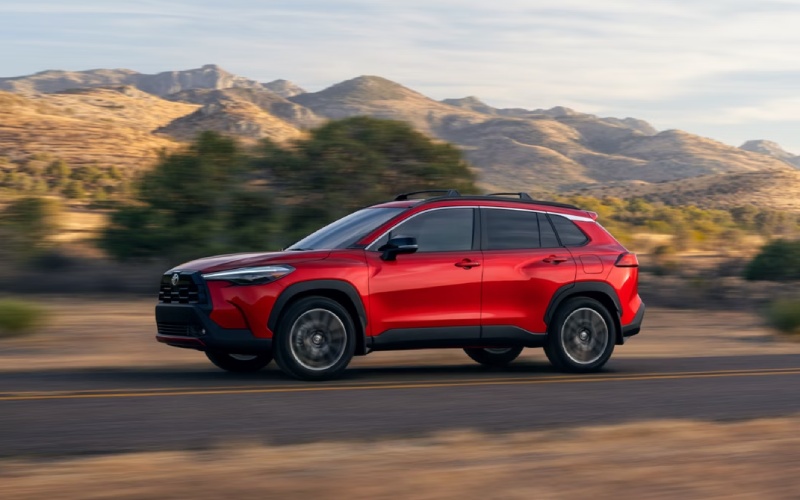
City Toyota – Which compact crossover delivers better winter traction for Helena, MT commutes — the 2026 Toyota Corolla Cross or the 2026 Honda HR-V?
What shoppers are really asking
When winter rolls across the upper Missouri, one question comes up often: which small crossover inspires more confidence as temperatures drop and roads get slick — the 2026 Toyota Corolla Cross or the 2026 Honda HR-V? This guide breaks down the traction technologies, key safety systems, and everyday features that matter most on cold-morning starts, slushy afternoons, and breezy evening commutes around Helena, MT.
Both vehicles are genuinely easy to live with. They park easily, seat five, and offer modern driver-assist suites. The distinction appears when the conversation turns to all-weather traction, power delivery, and available features that help maintain composure when the road surface and conditions change hour by hour.
AWD systems and how they behave in the real world
The Corolla Cross offers two distinct setups. Gas grades can be configured with AWD for added traction, while Hybrid grades employ Electronic On-Demand AWD that uses a dedicated rear electric motor. That e-motor can add rear-axle torque almost instantly — without clutches or driveshaft lag — so the vehicle launches confidently from a stop on snowy side streets and can subtly balance power front-to-rear mid-corner. In everyday terms, it feels calm, predictable, and quick to stabilize.
The HR-V’s available Real Time AWD™ with Intelligent Control System™ is a solid, proven approach. It uses sensors to engage the rear axle as traction needs rise, and it’s paired with Snow Mode to soften throttle tip-in and help reduce wheelspin. For many drivers, this setup is reassuring, especially if most miles are in town or on well-plowed routes. The difference, however, is the Corolla Cross Hybrid’s ability to deliver immediate, fine-grained rear-axle assistance with its electric motor — a trait that’s noticeable when pulling away from angled intersections or easing up an icy driveway.
Power delivery and composure
On cold days, power isn’t just about speed — it’s about control. The Corolla Cross Hybrid combines a 2.0-liter engine with electric motors for strong, consistent torque and smooth, quick responses. That helps keep the vehicle steady if a front wheel slips and the system needs a quick nudge of rear torque to maintain direction. The gas Corolla Cross uses a 2.0-liter engine tuned for predictable, linear acceleration, and its CVT emphasizes stability over abrupt shifts.
The HR-V’s 2.0-liter engine pairs with a CVT for steady progress and a relaxed feel at neighborhood speeds. It’s well-suited to calm commutes, though drivers who frequently climb rolling hills or navigate unplowed segments may prefer the added torque and traction logic the Corolla Cross Hybrid brings to the table.
Safety technology that helps in winter
Every Corolla Cross is equipped with Toyota Safety Sense™ 3.0, including Pre-Collision System with Pedestrian Detection, Lane Tracing Assist, Full-Speed Range Dynamic Radar Cruise Control, Automatic High Beams, Road Sign Assist, and Proactive Driving Assist (PDA). These features support confident spacing on multi-lane stretches, nudge steering to keep you centered as visibility shifts, and actively monitor the road ahead.
The HR-V includes Honda Sensing® on every trim, with Collision Mitigation Braking System™, Road Departure Mitigation, Adaptive Cruise Control with Low-Speed Follow, and Lane Keeping Assist. Sport and EX-L add a Blind Spot Information System with Cross Traffic Monitor. Both suites are excellent; Toyota’s inclusion of PDA and feature consistency across the Corolla Cross lineup give it an edge for drivers who want robust assistance no matter which trim they choose.
Ground clearance, braking, and visibility
Underbody clearance matters when ruts form or snow berms crowd the centerline. The Corolla Cross rides with confidence, and its available Front and Rear Parking Assist with Automatic Braking helps you ease into tight curbside spaces bordered by plow piles. Premium LED lighting and available heated mirrors support visibility on dark winter mornings and dusk commutes.
The HR-V counters with multi-link rear suspension across the lineup and available parking sensors on EX-L, adding Low-Speed Braking Control that can help at parking speeds. Its Snow Mode is handy for gentle takeoffs. The net difference? Both are capable, but the Toyota layers in more available active parking support and traction tools to build confidence when roads are narrow and the shoulder is glazed.
For drivers comparing features line by line, the Corolla Cross brings additional options that influence winter confidence: a factory-rated 1500-lb. towing capacity for a lightweight gear trailer, an available power liftgate that’s convenient with gloved hands, and an available JBL® Premium Audio system that keeps podcasts clear when wind noise rises. The HR-V’s tidy design and comfortable seats make it an easy cruiser, yet it forgoes a hybrid option and several convenience features that many Montana families value in shoulder seasons and winter months.
If your commute regularly includes uneven plow lines, compacted-snow intersections, or winds that sweep across open stretches, the Corolla Cross Hybrid’s Electronic On-Demand AWD feels especially composed. If most trips are short, predictable, and on well-maintained boulevards, the HR-V’s Snow Mode and Real Time AWD™ are reassuring standbys. The difference comes down to how quickly and seamlessly traction is apportioned and how much on-demand torque you have in reserve.
Still deciding? Consider a quick personal checklist based on your routine:
- Commute length and terrain: Are there hills, unplowed side streets, or frequent crosswinds?
- Traction priorities: Do you want instant rear-axle assist from an electric motor or a traditional AWD engagement?
- Convenience features: Will an available power liftgate, branded audio, or larger driver display improve day-to-day comfort?
- Utility needs: Do you plan to tow a small utility trailer or carry heavier hobby gear?
Frequently Asked Questions:
Does the Corolla Cross Hybrid’s AWD feel different from the HR-V’s Real Time AWD™ in snow?
Yes. The Corolla Cross Hybrid uses an independent rear electric motor to send torque instantly to the rear wheels, which can feel more immediate on slick takeoffs. The HR-V’s Real Time AWD™ engages the rear axle as sensors detect slip and pairs with Snow Mode for gentler throttle response.
Are advanced driver-assistance features standard on both?
Yes. Toyota Safety Sense™ 3.0 is standard on the Corolla Cross, and Honda Sensing® is standard on the HR-V. Toyota includes Proactive Driving Assist (PDA) across the lineup, while the HR-V adds Blind Spot Information System on Sport and EX-L.
Which one offers more winter-friendly convenience features?
The Corolla Cross offers an available power liftgate, a larger available 12.3-in. digital gauge cluster, and an available 10.5-in. multimedia display. These can make winter errands and longer drives more comfortable.
When you’re ready to test how these systems feel on real Montana pavement, schedule a back-to-back drive. City Toyota, serving Helena, Lewistown, and Fort Benton, can help you compare AWD engagement, steering feel, and visibility features on your own routes so the choice fits your daily rhythm.
Request more 2026 Toyota Corolla Cross information
Which AWD SUV feels more confident for Fort Benton, MT drives — the 2026 Toyota RAV4 or 2026 Hyundai TUCSON?
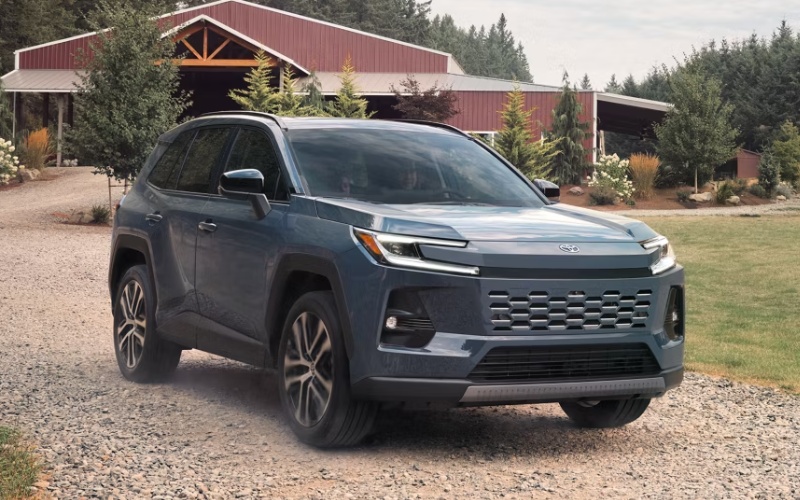
City Toyota – Which AWD SUV feels more confident for Fort Benton, MT drives — the 2026 Toyota RAV4 or 2026 Hyundai TUCSON?
Choosing a compact SUV with the right traction tech matters in Montana. Gravel shoulders, quick weather changes, and long two-lane stretches reward an all-wheel-drive system that responds predictably and a chassis that stays composed. The question many shoppers ask is simple: which one inspires more confidence for Fort Benton, MT drives—the Toyota RAV4 or the Hyundai TUCSON? Both bring available AWD and multiple powertrains, including Hybrid and Plug-in Hybrid options. That said, RAV4 stacks unique features—standard Toyota Safety Sense 4.0 (TSS 4.0), available Toyota Advanced Park, available Drive Recorder, and factory-available all-terrain tires on the Woodland grade—that collectively tilt real-world confidence toward Toyota’s side.
AWD systems and traction character
RAV4’s available AWD systems are engineered for quick, predictable engagement. The Hybrid layout’s immediate electric torque pairs well with slip-prone surfaces, while the Plug-in Hybrid (PHEV) model layers strong response with electric assist for smooth momentum. Tucson counters with available HTRAC AWD that distributes torque to help stability and traction when conditions deteriorate. On plowed-but-slick county roads, both systems help, yet RAV4’s combination of tire options, body protections, and suspension tuning that feels planted at highway speed is what drivers tend to notice first. It behaves consistently during crosswinds on the high plains and remains unflustered as pavement transitions to packed dirt.
Confidence is not just about AWD engagement—it is also how the SUV communicates grip. RAV4’s steering is linear and calm on center, which helps reduce constant micro-corrections on long stretches. That calm demeanor pays off on Highway 87 or along River Road toward trailheads. Tucson’s steering feel has improved in recent years and holds a comfortable line at speed, especially with its compliant suspension. For drivers who frequently move between town errands and out-of-town chores, the RAV4’s tie-in of traction, steering, and tire choices adds a layer of built-in assurance that becomes second nature.
Hybrid and PHEV options: usable power meets simplicity
Electrified powertrains add torque, and torque adds confidence—especially from a standstill on loose surfaces. RAV4 leverages a well-rounded Hybrid system for smooth starts and relaxed passing. The Plug-in Hybrid enhances that response further, delivering an easy surge that helps merge or crest a grade with authority. Tucson’s Hybrid and Plug-in Hybrid choices also improve drivability compared to a conventional setup, and many shoppers appreciate the familiarity and efficiency. Where the RAV4 separates is in how these systems are tuned to feel natural, especially when the road surface undermines traction. Throttle mapping is progressive, so it is simple to add just enough power without upsetting balance.
Practical capability matters too. RAV4’s towing capacity of up to 3,500 lbs expands what fits into a weekend—light fishing boats, a utility trailer for DIY projects, or a pair of ATVs. Tucson’s portfolio handles daily duty well, but its towing ratings generally sit lower, which can limit flexibility for spur-of-the-moment plans. When plans include dirt access roads and a load of gear, the Toyota formula tends to feel like the safer bet.
Safety and driver assistance that reduce stress
Standard Toyota Safety Sense 4.0 (TSS 4.0) means every RAV4 arrives with Toyota’s most advanced suite yet, aimed at making everyday drives calmer and more predictable. Available Traffic Jam Assist can help with low-speed control on controlled-access highways, and Toyota Advanced Park steps in for tight parallel spots—helpful around trailhead parking or downtown events. The available Drive Recorder adds an extra layer of assurance for the unexpected. Tucson’s Hyundai SmartSense provides important support, including collision avoidance and lane keeping assistance, and select trims add Highway Driving Assist features. Both suites help; the RAV4’s advantage is how much comes standard and how well it integrates with the rest of the vehicle’s behavior.
Montana drivers also recognize the practical value of lighting. RAV4’s standard dual beam projector LED headlights cast a crisp, wide pattern, and available LED fog lights can help when dust lingers after a convoy on gravel. Tucson’s lighting signature is distinctive and effective as well, but Toyota’s emphasis on visibility pairs nicely with the SUV’s confident steering and composure on open two-lane roads.
Living with either SUV day to day
Daily usability often settles the debate. RAV4’s standard 12.3-in. digital gauge cluster keeps critical information front and center, and the available 12.9-in. Toyota Audio Multimedia touchscreen makes navigation, media, and settings feel straightforward. Available Dual Qi-compatible wireless charging simplifies cord clutter. Inside Tucson, digitization and helpful features bring a modern vibe, and families appreciate its storage and comfort. Both are easy to live with; the RAV4’s cabin stands out for the way it reduces friction—small touches that add up after hundreds of errands and school runs.
- Traction and stability: RAV4’s AWD response, steering calmness, and available all-terrain tires create consistent behavior on mixed surfaces.
- Powertrain choice: Hybrid and Plug-in Hybrid options with smooth torque delivery help with starts on loose gravel and confident passing.
- Safety and tech: Standard TSS 4.0, available Advanced Park, and available Drive Recorder provide layered reassurance for everyday routes.
If you are weighing an AWD compact SUV for Fort Benton-area drives, both deserve a test drive on roads that represent your week. One stop with City Toyota is a simple way to compare, ask detailed questions, and match trims to the real conditions you face across central Montana.
Frequently Asked Questions:
Does the RAV4 offer features that directly support winter and shoulder-season driving?
Yes. Standard LED headlights, available LED fog lights, available AWD, and factory-available all-terrain tires on the Woodland grade create a setup that handles slush, lingering gravel, and early snow confidently.
How do the Hybrid and Plug-in Hybrid options change everyday driving?
Electrified torque helps the SUV move away from stops smoothly and adds passing confidence, especially on rolling two-lane routes. It also pairs well with AWD engagement for steady traction on variable surfaces.
Is parking support available for tight downtown angles or trailhead slots?
RAV4 offers Toyota Advanced Park on select trims, enabling hands-free parking assistance. That feature, paired with the available Drive Recorder, reduces stress in cramped or high-traffic areas.
For a balanced, real-world assessment, schedule back-to-back drives on the streets and county roads you use most. Our showroom is City Toyota, proudly serving Helena, Lewistown, and Fort Benton, with knowledgeable product specialists ready to walk through features that matter to Montana drivers.
Request more 2026 Toyota RAV4 information
Which Midsize Truck Has Smarter Off-Road Tech for Helena, MT — the 2026 Toyota Tacoma or the 2026 Nissan Frontier?
City Toyota – Which Midsize Truck Has Smarter Off-Road Tech for Helena, MT — the 2026 Toyota Tacoma or the 2026 Nissan Frontier?
When shoppers around Helena, MT start comparing the current crop of midsize pickups, one question rises to the top: Which truck brings smarter off-road tech to the trail without compromising everyday ease? Two names lead the conversation—the 2026 Toyota Tacoma and the 2026 Nissan Frontier—and while both can tackle rocky climbs and gravel washboards, the way they deliver capability is very different. If you are weighing weekend trail use, weekday commuting, and the occasional tow into the mountains, understanding these differences will help you pick the truck that fits your life from the driveway to the trailhead.
Let’s dig into the systems that matter most for Montana terrain—low-speed traction aids, suspension design, and trail visibility. We will also connect those systems to daily driving, because a truck that feels composed on ruts should also be calm crossing town, dropping kids at practice, or cruising a long stretch of two-lane with gusty crosswinds.
Low-speed traction and driver aids
Traction is your first line of defense when the road dissolves into rocks and ruts. The Tacoma brings Crawl Control (CRAWL), a low-speed, off-road cruise control that modulates throttle and brakes on its own so you can focus on steering through obstacles. It is a confidence multiplier for solo drivers or any situation where a steady pace and attention to wheel placement are crucial. The Frontier counters with Hill Descent Control and an electronic locking rear differential on PRO-4X, which are invaluable on steep grades and loose surfaces, but it does not offer a system like CRAWL that works across varying terrains at a set pace.
On top of that, Tacoma’s available Multi-Terrain Select fine-tunes power and traction for surfaces like mud, sand, and rock, directly addressing the range of conditions you’ll meet traveling from river bottoms to alpine switchbacks. Frontier’s Active Brake Limited Slip is helpful, especially in 4×4, but the Toyota’s layered, selectable approach gives drivers more tools in more places.
Suspension and chassis composure
Montana’s backroads reward suspension that keeps tires planted and reduces head toss. The Tacoma’s multi-link rear suspension delivers better ride control and composure over stutter bumps and washboard. Select Tacoma models also offer a Stabilizer Disconnect Mechanism that increases front-wheel articulation with the push of a button—useful when you need every inch of reach to step up ledges or cross offset ruts. Pair those with available performance shocks—FOX on TRD Pro, Old Man Emu on Trailhunter—and you get a truck engineered to stay steady and responsive even as the terrain gets tricky.
Frontier PRO-4X, for its part, brings Bilstein off-road shocks and a sturdy, fully boxed ladder frame. That package is strong and straightforward, and it does well on repeated impacts. But without the Tacoma’s multi-link rear setup and SDM, you tend to feel more secondary motion in the cabin and have fewer options to increase articulation when it matters.
Trail cameras and situational awareness
Climbing into rocky cutbanks or picking your way along a narrow shelf road calls for information. The Tacoma’s next-generation 3D Multi-Terrain Monitor lets you toggle front, side, and underbody views to spot rocks, stumps, and deep ruts before they surprise you. That view builds real confidence when you are alone or when you cannot rely on a spotter. The Frontier’s Intelligent Around View Monitor with Off-Road Mode is excellent for a truck at its price point, and it provides helpful angles when you shift into 4LO, but the Tacoma’s system offers more comprehensive views and integrates more cleanly with the large touchscreen interface.
How the tech translates to daily driving
Trail-side hardware should not make Monday feel like a compromise. The Tacoma’s available 12.3-in. digital gauge cluster and 14-in. Audio Multimedia Display creates an intuitive command center for navigation, audio, camera views, and vehicle settings. Wireless Apple CarPlay and Android Auto make connections quick, and the optional 2400W power supply turns the truck into a rolling worksite or campsite hub. The Frontier’s available 12.3-in. touchscreen, Zero Gravity seats, and optional Fender audio are welcome for long days, too. Still, the Toyota’s interface ties off-road pages, towing views, and driver-assist controls into a clearer whole, which you notice when juggling directions, calls, and trail maps.
Driver assistance follows the same pattern. Toyota Safety Sense 3.0 delivers modern lane and cruise support, and Tacoma adds trail-centric touches like a Blind Spot Monitor that can extend when a trailer is detected. Nissan’s Safety Shield 360 is robust—especially Rear Automatic Braking—but the Tacoma’s visibility and towing assist options simplify transitions from freeway to forest road to campsite.
It is also worth considering control preference. Tacoma offers both an 8-speed automatic and a 6-speed intelligent Manual Transmission, the latter appealing to drivers who like to set their own pace on steep descents or snow-packed, rutted climbs. Frontier pairs its V6 with a 9-speed automatic exclusively. If you want the extra engagement of a manual, Toyota is your route.
In short, both trucks can tackle Montana’s varied terrain, but the Toyota’s integrated trail tech and chassis design give it the nod for drivers who want a smoother commute and a more composed weekend on the rocks.
- Trail traction tools: Tacoma’s Crawl Control and Multi-Terrain Select expand low-speed confidence; Frontier focuses on hill control and a rear locker.
- Chassis tuning: Tacoma’s multi-link rear and SDM increase stability and articulation; Frontier’s leaf-spring rear favors simplicity and durability.
- Visibility and integration: Tacoma’s 3D Multi-Terrain Monitor and large displays streamline decisions; Frontier’s off-road camera is capable but more limited.
For shoppers weighing these strengths against everyday needs, take a short route that includes cracked pavement, a fast gravel section, and a slow, uneven trail. Pay attention to body motion, throttle tip-in, and how much information you get from the screens. You will feel where the Tacoma’s tech and tuning make a difference.
Frequently Asked Questions:
Does the Toyota Tacoma offer a hybrid and how does it help off-road?
Yes. The available i-FORCE MAX hybrid adds torque at low rpm for smoother climbs and better throttle control over obstacles, while preserving relaxed highway manners.
Which truck has a manual transmission option?
The Tacoma offers a 6-speed intelligent Manual Transmission on select trims. The Frontier is automatic only.
Can both trucks show camera views off-road?
Yes. Tacoma’s 3D Multi-Terrain Monitor provides multiple selectable views, including underbody. Frontier’s Intelligent Around View Monitor with Off-Road Mode offers helpful angle views when in 4LO.
Which feels smoother on washboard or patched pavement?
In back-to-back drives, Tacoma’s multi-link rear suspension typically delivers calmer body control over repetitive bumps and ripples, especially when paired with its available performance shocks.
If you are ready to see how the latest trail tech translates to your daily routine and your weekend plans, set up a drive at City Toyota and bring your questions. Our team is serving Helena, Lewistown, and Fort Benton with side-by-side comparisons, route suggestions, and the know-how to match your truck to the way you actually drive.
Request more 2026 Toyota Tacoma information
Connect with us


