


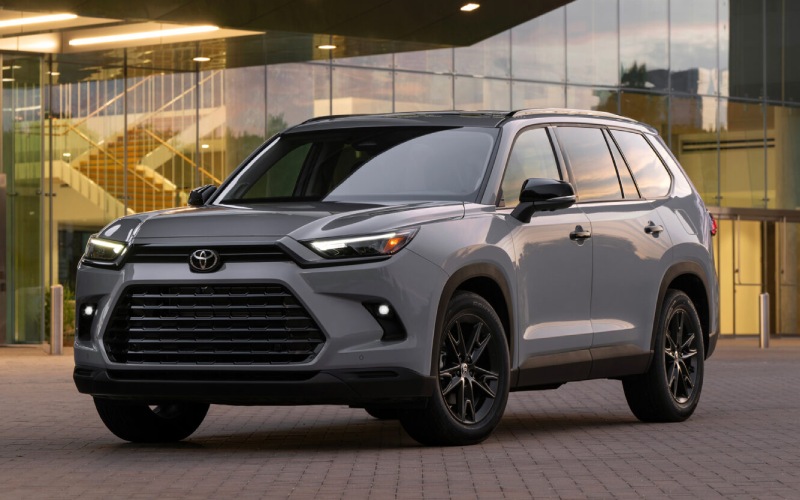
City Toyota – Toyota vs Subaru for High-Plains Gravel and All-Weather Drives in Great Falls, MT
Living in Great Falls means a week of Chinook winds on I-15, a surprise whiteout over Rogers Pass, and plenty of gravel stretches to cabins and fishing access on the Missouri. If you are choosing between Toyota and Subaru for these real Montana conditions, our team at City Toyota wants to help you think beyond brochures and into daily life on the High Plains. Below, we compare the brands by the way people here actually drive — on snow-dusted mornings, on washboard county roads, and on long, windy commutes across open country.
First, both brands earn their place on Montana roads for all-weather traction and safe, predictable handling. Subaru’s Symmetrical All-Wheel Drive is a known quantity, and X-MODE adds useful traction programming in tougher conditions. Toyota counters with a wide range of All-Wheel Drive systems — from Dynamic Torque Control AWD in gas models to Electronic On-Demand AWD in Toyota hybrid models — plus available Multi-Terrain Select, Downhill Assist Control, and trail-tuned TRD grades. The key distinction for Great Falls drivers is how broadly Toyota offers AWD and traction tech across body styles and powertrains, including several efficient hybrids that do not make you choose between winter confidence and fewer fuel stops on US-87.
That AWD breadth matters when the forecast swings from bare pavement in town to black ice near the river. In many Toyota hybrids — think RAV4 Hybrid, Highlander Hybrid, Grand Highlander with Hybrid MAX, and the latest Camry Hybrid — the Electronic On-Demand AWD system can send motor-driven torque to the rear wheels nearly instantaneously. That quick response helps stabilize the vehicle as you crest a windy overpass on 10th Avenue South or merge onto I-15 with a gust pushing across the lane. Subaru focuses its lineup on standard AWD, which is compelling for consistency, but Subaru currently offers fewer hybrid AWD choices in the U.S. market than Toyota. For Great Falls commuters who rack up miles to Malmstrom AFB, Helena, or Havre, Toyota’s hybrid AWD lineup becomes a practical advantage.
Ride comfort and durability on gravel are next. Subaru has tuned vehicles like the Outback and Forester to feel planted on dirt and ruts; that is a point in Subaru’s favor. Toyota takes a layered approach. Daily-driver trims in vehicles like RAV4 and Highlander deliver a quiet cabin and reassuring body control on washboard. TRD models add underbody protection, off-pavement traction programming, and all-terrain tire availability to soak up the Sun River Road or a rutted approach to Holter Lake. If your family splits time between paved school runs and rougher trailheads, Toyota lets you tailor suspension and tire choices within the same model line. Add in Toyota’s extensive truck lineup — Tacoma and Tundra with available Crawl Control, locking differentials, and trail cameras — and Toyota covers the higher-clearance, heavier-duty end of the spectrum that Subaru does not offer.
Safety technology is another layer shoppers ask about. Both brands make advanced driver assistance standard, but the experience in Great Falls is shaped by wind, glare off snowpack, and wildlife at dusk. Toyota Safety Sense includes features like Pre-Collision System with Pedestrian Detection, Lane Departure Alert with Steering Assist, and Full-Speed Range Dynamic Radar Cruise Control. Subaru’s EyeSight Driver Assist Technology brings similarly comprehensive features. In daily use, differences often come down to tuning — how smoothly the cruise control eases off behind a slow car by the refinery curve on 15, or how decisively the lane centering tracks the faded paint on MT-200 after a storm. Test-driving both brands on your normal routes — including the breezy stretch east of town — is essential, and our team is happy to plan a loop that highlights real-world conditions.
Long-term ownership is where Toyota’s reputation for longevity really shows. Many Great Falls customers keep vehicles for 10 years or more, often with teens eventually inheriting the keys. Toyota’s engineering conservatism — from cooling systems sized for towing to transmissions designed for heavy use — pays off in high-mile durability. Subaru has strong owner loyalty as well, but Toyota’s footprint in trucks and body-on-frame SUVs, plus the breadth of hybrids proven in cold climates, gives Toyota an advantage for families who need one vehicle to do it all for a long time. And when your vehicle needs service, our Toyota-trained technicians at City Toyota use Genuine Toyota parts and know your vehicle inside and out.
Support and maintenance are part of everyday confidence here. ToyotaCare — a no-cost maintenance plan with 24-hour roadside assistance — is included on many new Toyota vehicles, which means regular factory-scheduled maintenance is straightforward during those important first years. At our Service Center in Great Falls, we back that with Toyota Express Maintenance options, comfortable waiting amenities, and scheduling designed around your workday. Because City Toyota services customers across Great Falls, Helena, and Sidney, we understand the distances and conditions you drive and set up maintenance recommendations accordingly.
If you are weighing the two brands for your driveway on the south side or for trips along the Front, consider the following practical differences that matter in Cascade County and across Central Montana.
- AWD coverage across body styles: Subaru makes AWD standard on most vehicles; Toyota offers multiple AWD systems across sedans, crossovers, SUVs, and trucks — including many AWD hybrids for winter-ready efficiency.
- Cold-weather hybrid choice: Toyota brings a deep bench of hybrid AWD models that perform confidently in low temperatures, reducing fuel stops on long, windy commutes without giving up traction.
- Gravel-road tuning options: Subaru rides are well sorted on dirt; Toyota lets you choose everyday comfort or TRD-tuned suspensions and tires for more rugged travel.
- Trail and towing flexibility: Toyota covers everything from compact crossovers to Tacoma and Tundra for higher-clearance two-tracks or hauling a drift boat — a category Subaru does not build.
- Service and ownership ecosystem: ToyotaCare and our Toyota-trained technicians at City Toyota simplify maintenance with Genuine Toyota parts and local expertise tailored to Great Falls driving.
To be fair, Subaru has real strengths. The brand’s standard AWD simplifies decision-making, and models like Outback Wilderness offer serious capability for rutted forest roads. It is smart to match those pluses against how and where you drive most of the year in and around Great Falls.
- If you prioritize one-and-done AWD selection: Subaru’s standard AWD lineup makes trim choosing simple across most models.
- If you mostly drive graded dirt and light snow: Subaru ride quality and traction tuning feel natural and predictable on typical county gravel after a plow.
- If you do not need truck capability: Subaru’s SUV range covers many family needs without a pickup — though Toyota offers both SUVs and trucks if plans change.
Most shoppers still ask the same follow-up: How do I decide, right now, for our family, routes, and hobbies near Great Falls? Here is a road map we recommend.
- List your weekly routes: Include the windy portions of I-15, any gravel mileage, and typical elevation changes — this frames traction and suspension needs.
- Pick a powertrain path: If you value fewer fuel stops and winter traction, start with Toyota’s AWD hybrids; if you want simple across-the-board AWD, sample comparable Subaru models.
- Drive your conditions: Test on a breezy day, run a short gravel segment, and take a merge onto a fast-moving highway — feel stability, steering assist, and wind noise.
- Check cargo and car-seat fit: Bring your gear and seats; verify access with gloves on and how the hatch closes against a snow brush or cooler.
- Plan service and ownership: Ask us about ToyotaCare, Genuine Toyota parts, and how our Service Center supports long-distance schedules from Helena or Sidney.
City Toyota exists to make that process straightforward. We understand the pull of weekend powder at Showdown, the call of sunrise at Giant Springs, and the reality of sideways snow on an after-hours run back from Bozeman. Our job is to help you match those days with the right Toyota — whether that is a hybrid AWD crossover for windy commutes, a three-row SUV for hockey tournaments, or a TRD-tuned model for muddy trailheads.
Frequently Asked Questions:
Do Toyota hybrids handle Montana winters as well as traditional AWD?
Yes. Many Toyota hybrids pair Electronic On-Demand All-Wheel Drive with traction control tuned for low-friction surfaces. The rear electric motor can respond quickly to stabilize the vehicle on icy patches common near river bridges and shaded curves, while the hybrid system manages power smoothly in stop-and-go traffic during storms.
How does Toyota Safety Sense compare with Subaru’s EyeSight in Great Falls wind and glare?
Both suites are comprehensive. Toyota Safety Sense includes features such as Pre-Collision System with Pedestrian Detection, Lane Departure Alert with Steering Assist, and Full-Speed Range Dynamic Radar Cruise Control. Subaru’s EyeSight offers similar capabilities. In local conditions, the difference you notice most is tuning — how steady lane centering feels with crosswinds, and how cruise control modulates speed on rolling terrain. We encourage back-to-back drives on your daily route to feel the nuances.
Which brand gives me more options if our needs change — like adding towing or rougher access roads?
Toyota. In addition to crossovers and SUVs, Toyota builds Tacoma and Tundra with advanced off-road traction features and robust towing setups. If your lifestyle evolves — a small camper, a drift boat, or frequent two-track access — Toyota lets you move within the same brand while keeping a familiar safety and infotainment experience.
What about maintenance for long-term ownership in Central Montana?
ToyotaCare — a no-cost maintenance plan with 24-hour roadside assistance — helps you stay on schedule early in ownership. After that, our Toyota-trained technicians at City Toyota continue with factory-recommended service using Genuine Toyota parts. We plan appointments around Real Montana driving, whether you are commuting from Great Falls or making regular trips to Helena and Sidney.
Is there a clear winner for gravel-road comfort around Great Falls?
Both brands handle gravel confidently, but Toyota lets you choose how rugged you want to go within the same model line — from quiet daily-driver trims to TRD grades with trail-tuned components. That ability to tailor the setup gives Toyota an edge for households that split time evenly between pavement and rougher access roads.
When you are ready to compare, our non-commissioned sales team at City Toyota, serving Helena, Lewistown, and Fort Benton, will plan an honest, Montana-specific test route and walk you through AWD systems, Toyota Safety Sense features, and the ownership support that comes with Genuine Toyota parts and ToyotaCare. Visit us at 3900 10th Ave So, Great Falls, MT 59405, and let us help you choose a Toyota that feels planted on windy winter days, calm on gravel, and easy to live with for the long run.
Request more information
Connect with us


