
Blog / Toyota 4Runner

How the 2026 Toyota 4Runner TRD Pro Brings Confident Trail Control around Bozeman, MT

How the 2026 Toyota 4Runner TRD Pro Brings Confident Trail Control around Bozeman, MT

*Not actual model

City Toyota - How the 2026 Toyota 4Runner TRD Pro Brings Confident Trail Control around Bozeman, MT

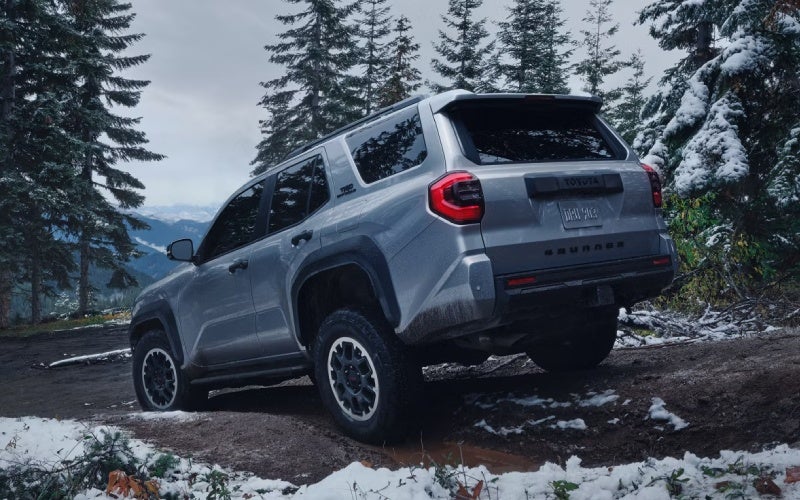
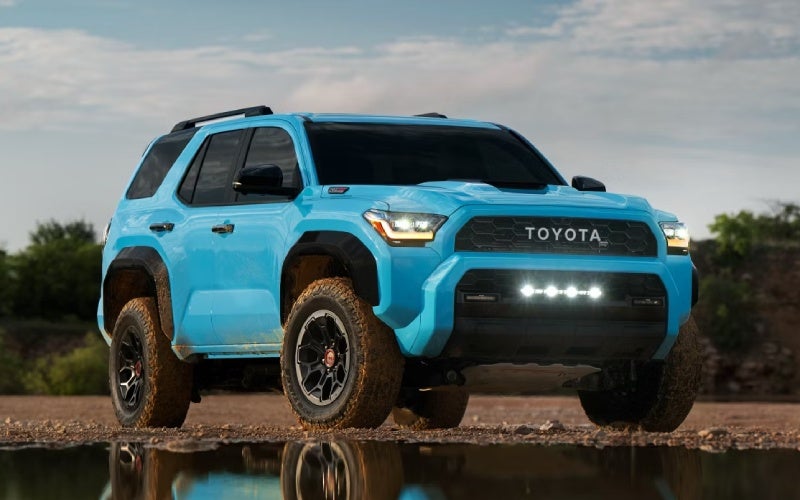
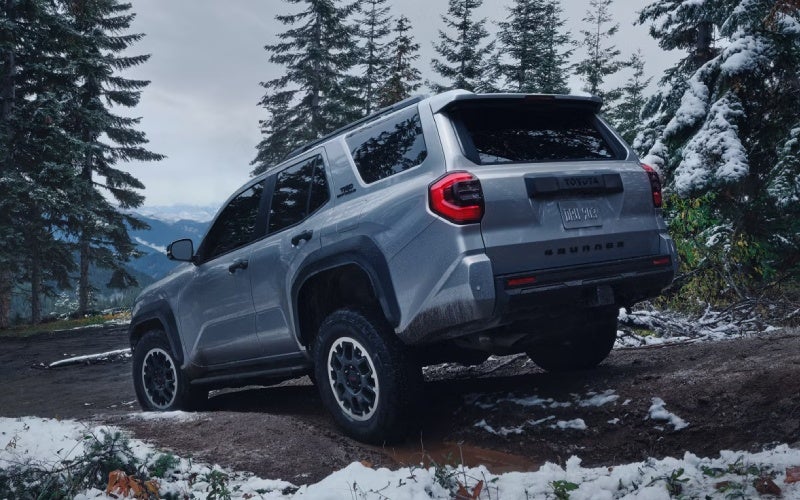
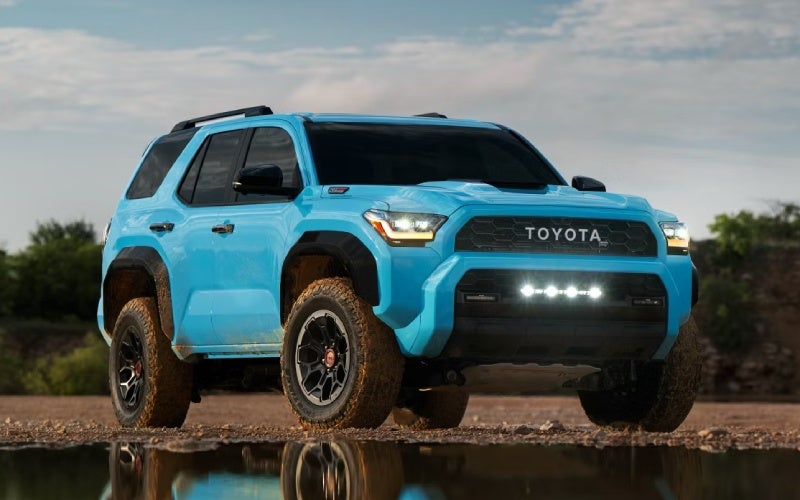
The 2026 Toyota 4Runner TRD Pro is built for drivers who treat a dotted line on the map as an invitation. With FOX® 2.5-in. Internal Bypass QS3 shocks and rear piggyback-style remote reservoirs, 33-in. Toyo® all-terrain tires, and a Stabilizer Disconnect Mechanism designed to boost suspension articulation, TRD Pro stacks hardware that makes rough trails feel surprisingly smooth. It rides on the TNGA-F chassis—Toyota’s rugged body-on-frame architecture—so you get the strength and composure that matter when miles turn washboard or rocky.

Trail control is wrapped in clarity. The available Multi-Terrain Monitor projects selectable front, side, or rear camera views to the available 14-in. Toyota Audio Multimedia touchscreen, helping you spot ledges, ruts, and branch-strewn lines before you commit. Multi-Terrain Select and Crawl Control refine throttle and braking inputs, letting you focus on steering and tire placement. And when you air down for traction, the available onboard air compressor helps you reinflate before heading home. It is adventure-ready, with the power rear window for quick gear grabs and tumble fold rear seats that open serious cargo space for recovery kits, coolers, and camping shelters.

Daily driving isn’t an afterthought. Premium LED headlights illuminate pre-dawn starts, Toyota Safety Sense™ 3.0 bolsters confidence when traffic tightens, and connected tech—with wireless Apple CarPlay® and Android Auto™—keeps maps, music, and messages in sync. It’s the balance of trail toughness and weekday polish that gives this TRD badge real weight.

When you’re deciding if TRD Pro fits your life, think through a few core questions. Do you want factory-engineered suspension that’s designed for repeated hard use? Will added articulation help you clear the kind of rutted climbs or off-camber shelves you explore? Is clarity at the driver’s seat—through cameras and calibrated trail software—important on solo runs? If the answer is yes, TRD Pro delivers a chassis and a suite of systems that feel purpose-built rather than pieced together.

  • FOX QS3 shocks: engineered damping with adjustability that keeps control on varied terrain
  • 33-in. Toyo all-terrain tires: grip and sidewall support where sharp rocks and roots test rubber
  • Stabilizer Disconnect Mechanism: added articulation to keep tires planted on uneven ground
  • Multi-Terrain Monitor: real-time terrain views to refine your line choice before you crest or drop

Utility elevates the experience. The pre-wired AUX switches simplify integrating compatible lighting or other gear from Toyota’s accessory portfolio, and the ARB® accessory ecosystem pairs naturally with the 4Runner’s overlanding ethos. Whether you’re setting up a compact camp on forest service roads or pushing deeper for a multi-day trip, the platform scales with your ambitions.

Frequently Asked Questions:

Does TRD Pro still work as a daily driver?

Yes. The TNGA-F chassis and FOX® shocks provide control without punishing ride quality, while Toyota Safety Sense™ 3.0 and the available 14-in. Toyota Audio Multimedia keeps daily errands and commutes relaxed and connected.

Can I use the Stabilizer Disconnect Mechanism on every trail?

Use it when you need more articulation for uneven, technical sections. On smoother roads or at higher speeds, reconnecting the bar helps maintain crisp handling.

What kind of maintenance does the trail hardware require?

Follow Toyota’s recommended service schedule and visually check tires, shocks, and skid areas after tougher routes. Keeping the onboard air compressor and recovery gear ready is also a smart habit.

Will TRD Pro handle Montana winters?

Absolutely. With available 4WD, advanced driver assists, premium LED headlights, and all-terrain tires, TRD Pro delivers stability and traction in snow and cold conditions. Consider a dedicated winter tire set for maximum confidence.

If you want a factory-built trail machine that doesn’t compromise on daily refinement, the TRD Pro makes a compelling case. City Toyota is serving Fort Benton, Kalispell, and Bozeman with detailed walkarounds, trail-focused demos, and accessory guidance to dial in your build. Reach out when you’re ready to see how the 2026 4Runner’s peak off-road grade fits your weekend plans and weekday routine.
Request more 2026 Toyota 4Runner information

Posted in:

Related Posts

How the 2026 Toyota 4Runner’s TNGA-F Chassis and Trail Tech Build Everyday Confidence around Lewistown, MT

How the 2026 Toyota 4Runner’s TNGA-F Chassis and Trail Tech Build Everyday Confidence around Lewistown, MT

City Toyota - How the 2026 Toyota 4Runner’s TNGA-F Chassis and Trail Tech Build Everyday Confidence around Lewistown, MT The 2026 Toyota 4Runner doesn’t just look rugged—it’s engineered from the frame up to feel composed on the street and capable when the pavement ends. Around Lewistown, MT, drivers often face a mix of two-lane highways, gravel cutoffs past the Judith Basin, and occasional ranch tracks toward the Big Snowy Mountains. That’s why the 4Runner’s TNGA-F body-on-frame platform matters. It gives you the durability and structural confidence of a truck while maintaining a surprisingly smooth ride for the miles between town and the trailhead. Pair that stout foundation with modern trail tech and you have an SUV that’s easygoing during the week and eager on the weekend. If you’ve ever rolled into a rutted turnout and wondered what sits just beyond the hood, the available Multi-Terrain Monitor (MTM) answers in real time on the available 14-inch touchscreen. It’s reassurance that transforms guesswork into precision, whether you’re inching toward a campsite or easing around a washout after a rain. And let’s not forget the 4Runner’s hallmark power rear window. From loading awkward gear to creating airflow without the buffeting of open side windows, it’s the kind of simple, effective utility that becomes indispensable once you’ve lived with it. Around town or at a secluded pull-off along Big Spring Creek, that convenience is pure 4Runner. Why TNGA-F Makes a Daily Difference TNGA-F is Toyota’s modern body-on-frame architecture—the backbone beneath the 4Runner. What you feel from the driver’s seat is a sense of calm composure on patched pavement and a solid, controlled response when the shoulders turn to gravel. Body-on-frame construction also suits accessories and towing much better than many car-based crossovers. When Lewistown life asks for versatility—hauling supplies during the day and taking friends to the Judith Peak Lookout on the weekend—the 4Runner feels ready for both without compromise. Ride comfort matters too, particularly on the long straightaways that connect Central Montana towns. The 4Runner’s chassis tuning helps absorb small chatter while keeping the structure tight and predictable. That balance is a relief during extended drives out toward Moccasin or Denton, when you want a vehicle that stays settled and quiet but still fits your kind of adventure. Trail Tech That’s Easy to Use The 4Runner’s trail technologies are practical, not gimmicks. Available Multi-Terrain Select and Crawl Control (CRAWL) help you dial in traction and throttle response for the surface beneath your tires. If you choose a TRD model, you can get factory 33-inch all-terrain tires and hardware tuned to work together right off the lot. And the available Stabilizer Disconnect Mechanism (SDM) can increase suspension articulation when the terrain gets lopsided—think deeply rutted access roads or rocky approaches where a little extra wheel travel makes all the difference. Between those features and the available Multi-Terrain Monitor camera views, you’re not left wondering whether you’ll clear a rut or how close you are to a hidden rock in the sage. The interface is straightforward, with menus designed to be used quickly and confidently, and the visuals on the available 14-inch display are crisp enough to read at a glance. Powertrains Built for Montana Miles Choose from the i-FORCE 2.4L turbocharged engine or the i-FORCE MAX hybrid, which delivers up to a net combined 326 horsepower and 465 lb.-ft. of torque. For drivers who juggle time in town with longer trips toward Winnett or Roundup, the hybrid’s robust, low-end torque makes passing and hill climbs feel effortless. At the same time, traditionalists who like the feel of a straightforward gas setup can count on the i-FORCE for confident response and a broad torque curve. Drivetrain options also reflect how you drive. Part-Time 4WD offers tried-and-true control with low range for the rough stuff, while Full-Time 4WD keeps traction engaged for changing conditions without driver intervention. If your routine includes unpredictable surfaces—graded one day, washboard the next—the Full-Time 4WD option is a set-it-and-go advantage you’ll appreciate. Inside, the 4Runner favors usable comfort. The available 14-inch Toyota Audio Multimedia system makes navigation and music simple, and wireless Apple CarPlay and Android Auto help you leave cords at home. SofTex-trimmed or leather-trimmed heated and ventilated front seats are available for year-round comfort, and the tumble-fold rear seating opens up to generous cargo space for coolers, camping bins, or a couple of packrafts when you’re heading out to the Missouri River. A few thoughtful touches deserve special mention. The available hands-free power liftgate is convenient when your arms are full after a grocery run or a feed stop. Pre-wired auxiliary switches make it easy to add compatible lighting or accessories without a tangle of aftermarket wiring. And the available onboard air compressor in the cargo area means you can air down for traction and then air back up before heading home—no detours, no waiting. Safety and Confidence on Every Route Toyota Safety Sense 3.0 comes standard, bringing advanced features such as Pre-Collision System with Pedestrian Detection, Lane Departure Alert with Steering Assist, Lane Tracing Assist, and more. Add available Blind Spot Monitor with Rear Cross-Traffic Alert to make parking lots and angled driveways less stressful. When you’re splitting time between downtown errands, school pickups, and gravel detours, these systems work quietly in the background to help keep you focused and at ease. The 4Runner’s seating flexibility rounds out its daily usefulness. With an available third row, you can bring extra passengers when plans change, and when it’s just you and a friend headed out after work, the signature power rear window turns the cargo area into a quick-access zone. It’s the sort of everyday utility that becomes part of your routine, whether you’re setting up a quick camp near the Judith River or jogging into a shop on Main Street. Our team at City Toyota knows how Lewistown drivers use their vehicles—long miles, mixed surfaces, and the kind of weekend freedom that requires a capable rig. The 2026 4Runner fits that brief beautifully, and we’re here to help you choose the powertrain, 4WD system, and trim that match your routes. If you’re coming from neighboring areas, know that we’re proudly serving Helena, Lewistown, and Fort Benton with an approach that’s straightforward and local. The 2026 4Runner’s TNGA-F chassis and trail tech bring the right balance for Central Montana—calm on the highway, confident off it, and comfortable the whole way. Frequently Asked Questions: Is Full-Time 4WD worth it for mixed driving around Lewistown? If your routes regularly blend paved highways and gravel stretches, Full-Time 4WD can be a smart choice. It maintains traction automatically, so you don’t need to switch in and out of 4WD as surfaces change. For mostly paved driving with occasional off-road, Part-Time 4WD remains a great, traditional setup. What’s the benefit of the Stabilizer Disconnect Mechanism (SDM)? SDM can increase suspension articulation when the trail gets uneven. That means more tire contact where you need it, better grip through deep ruts or ledges, and less drama as you navigate tight, rocky turns. It’s especially useful on access roads toward trailheads or hunting areas that see minimal grading. How practical is the power rear window day to day? Very. It makes quick cargo access easy, improves airflow without the buffeting of fully open side windows, and even helps with loading long items. You’ll use it more often than you expect. Which trims are best for daily comfort with occasional trails? TRD Off-Road and TRD Off-Road Premium are strong choices thanks to factory all-terrain tires, Bilstein shocks, and trail tech, while still offering available heated and ventilated seats and the larger touchscreen. Limited and Platinum focus on premium comfort; pair either with available Full-Time 4WD for confident all-roads driving. Request more 2026 Toyota 4Runner information

Does the 2026 Toyota 4Runner’s Stabilizer Disconnect Mechanism help on rocky trailheads near Whitefish, MT?

Does the 2026 Toyota 4Runner’s Stabilizer Disconnect Mechanism help on rocky trailheads near Whitefish, MT?

City Toyota - Does the 2026 Toyota 4Runner’s Stabilizer Disconnect Mechanism help on rocky trailheads near Whitefish, MT? Drivers tackling rutted forest roads and rocky pullouts want to know if the 2026 Toyota 4Runner’s available Stabilizer Disconnect Mechanism is more than a buzzworthy spec. The short answer is that SDM matters because it boosts front suspension articulation at the push of a button, helping your tires maintain contact as the terrain tilts and twists beneath you. The outcome is more traction when you need it and the same on-road composure you expect when you’re back on pavement. Let’s break down why this feature changes the drive, how it works with the 4Runner’s other trail systems, and which trims to target if your weekends include scouting remote put-ins or climbing crag approaches. What SDM Does and Why It Matters The front stabilizer bar reduces body roll on paved roads, keeping handling flatter and more controlled. Off-road, that same bar can limit how much each front wheel can move up or down relative to the body—what enthusiasts call articulation. By electronically disconnecting the bar, SDM allows the suspension to flex more. With greater flex, each tire stays in contact with uneven ground more easily, improving grip and stability over obstacles like offset ruts, embedded rocks, and shelfy ledges. When you’re done with the rough stuff, the system reconnects for familiar, composed cornering. It’s a best-of-both-worlds setup: articulation when you want it, flat handling the rest of the time. How SDM Complements Other Trail Systems Think of SDM as a mechanical advantage that pairs with the 4Runner’s smart traction tools. Multi-Terrain Select (MTS) tunes throttle and traction control behavior for surfaces like Mud, Sand, or Rock. Crawl Control (CRAWL) manages low-speed throttle and braking to help you focus on steering through technical sections. The available Multi-Terrain Monitor (MTM) shows selectable camera views—front, side, or rear—so you can place tires precisely. Add the available i-FORCE MAX hybrid’s torque-rich output—up to 326 horsepower and 465 lb.-ft. of torque—and you have smooth, predictable control when the trail demands finesse. On select grades, suspension hardware further refines how all this comes together. TRD Off-Road models can feature Bilstein® monotube shocks with remote reservoirs, while TRD Pro steps up to FOX® 2.5-in. Internal Bypass QS3 shocks and 33-in. all-terrain tires. Trailhunter brings Old Man Emu 2.5-in. forged shocks with rear piggyback-style remote reservoirs and overlanding-focused hardware. Each path supports SDM’s benefits in different ways. Where You’ll Feel SDM Working Picture a series of alternating holes or rocks—your left front drops in while your right front climbs. Without extra articulation, one tire can unload and spin. With SDM, the wheel travel increases, keeping traction more consistent. You’ll also notice it on angled approaches, where getting a front tire up and over a ledge is smoother and requires less momentum. Around trailheads near Whitefish, MT, this can mean more composed progress up a rooty service road, less rocking over washouts, and a calmer cabin as the chassis absorbs the offset terrain. The benefit isn’t just speed—it’s control, which reduces the chance of scraping underbody components or spinning a tire at the wrong moment. Which Trims to Look At If SDM is on your must-have list, look at off-road-focused grades where it’s available. Pair it with Part-Time or Full-Time 4WD based on your preference, and consider tires that match your surfaces. For frequent rocky routes, a setup with robust shocks and 33-in. all-terrain tires will complement SDM’s extra flex. If your typical dirt roads are milder, you might prioritize comfort features and keep SDM in your back pocket for the occasional challenge. Don’t overlook complementary utility: the signature power rear window for quick cargo access, tumble fold rear seats for bulky gear, and the available onboard air compressor in the cargo area for tire pressure management after airing down. Test-Driving SDM the Smart Way On a test drive, find a controlled environment with offset bumps or a mild articulation ramp. Engage 4WD as appropriate, select the right MTS mode, and activate SDM. Move slowly and feel how the front wheels step up and down with steadier contact. Then drive the same section with SDM off to notice the difference. Back on pavement, switch SDM off and feel the flat, secure handling return. As a team serving Bozeman, Whitefish, and Great Falls, we encourage drivers to focus on realistic scenarios—tight switchbacks, washouts, and uneven trailhead approaches—rather than showy obstacles. The goal is control, not theatrics. Frequently Asked Questions: Is SDM helpful if I only tackle mild dirt roads? Yes, though its most dramatic benefits appear on uneven surfaces. Even on mild roads, SDM can smooth out offset ruts or culverts, letting you maintain a steady pace with less cabin head toss. Do I need 33-in. tires to benefit from SDM? No. Larger, more aggressive tires can enhance traction and clearance, but SDM improves articulation regardless of tire size. Choose your tire based on the surfaces you encounter most frequently. How does SDM interact with Crawl Control (CRAWL)? Think of SDM as increasing mechanical grip, while CRAWL fine-tunes throttle and braking at very low speeds. Together, they help you maintain momentum and steer precisely over obstacles without heavy inputs. Will SDM make on-road handling feel loose? No. When deactivated, the stabilizer bar is connected, so on-road handling remains flat and controlled. The system is designed to give you articulation off-road and the composed feel you want back on pavement. In short, the available Stabilizer Disconnect Mechanism is not just a spec-sheet highlight—it’s a practical tool that gives you more usable grip and calmer progress on uneven ground. Pair it with the right 4WD system, traction settings, and tires, and the 4Runner becomes an even more confident partner for trailheads and backroads alike. If you’d like a guided demo that mirrors your routes, our product specialists at City Toyota can walk you through SDM and the rest of the 4Runner’s trail tech and help you decide which configuration best matches your plans. Request more 2026 Toyota 4Runner information

Which SUV is more comfortable for daily driving and weekend trails near Helena, MT — the 2026 Toyota 4Runner or the 2026 Jeep Wrangler?

Which SUV is more comfortable for daily driving and weekend trails near Helena, MT — the 2026 Toyota 4Runner or the 2026 Jeep Wrangler?

City Toyota - Which SUV is more comfortable for daily driving and weekend trails near Helena, MT — the 2026 Toyota 4Runner or the 2026 Jeep Wrangler? Short answer first If your top priority is a smoother, quieter commute paired with confident, low-stress capability on rutted forest roads, the 2026 Toyota 4Runner takes the lead. Wrangler remains the icon of open-air freedom and technical trail work, but 4Runner’s TNGA-F chassis tuning, available i-FORCE MAX Hybrid torque, and everyday-friendly features—like the available hands-free power liftgate and power rear window—make it a calmer, easier companion Monday through Sunday. For shoppers weighing daily refinement against off-road bona fides, it helps to compare where you actually spend time: multi-lane highways, in-town errands, gravel connectors to the campsite, and only occasionally the kind of slow, technical rock steps where lockers and deep crawl ratios shine. That’s the use case where 4Runner’s suspension tuning and power delivery quietly carry the day. Ride and noise: where you live most of the time On the road, 4Runner’s frame rigidity and shock tuning pay off with reduced head toss over expansion joints and fewer aftershocks on patched pavement. Wrangler’s solid axles and knobby tire options are terrific on the trail, but they can transmit a bit more chatter and ambient road sound into the cabin. The 4Runner’s available FOX® or Bilstein® shocks with remote reservoirs prioritize control without beating you up, so long slogs to trailheads are less taxing on the driver and passengers. Cabin isolation also matters. The 4Runner’s structure and door sealing help it stay calm at speed, with an available 14-in. Toyota Audio Multimedia touchscreen is placed high and easy to glance at without straining. Wrangler’s latest cabins have improved greatly, yet most shoppers still notice the 4Runner’s quieter demeanor over a week of commuting and errands. Power delivery: torque when and where you need it The 4Runner’s i-FORCE 2.4L turbo is tuned for strong midrange response—ideal for passing after a slowdown behind a semi or merging onto a busy highway. Upgrade to the available i-FORCE MAX Hybrid and you unlock up to 326 net combined horsepower and 465 lb.-ft. of torque, which makes towing and crawling feel surprisingly effortless. Wrangler offers a 3.6L Pentastar® V6 (285 hp/260 lb.-ft.) and a 2.0L turbo (270 hp/295 lb.-ft.), both proven and willing, but neither matches the 4Runner hybrid’s deep low-end pull or the relaxed way it handles heavy loads and steep grades. Put simply, the 4Runner’s torque arrives early and smoothly, which keeps you in better control on loose-surface climbs and when you want to flick past a slower line of traffic without revving to the heavens. Everyday usability: where 4Runner quietly wins Practical touches add up. The 4Runner’s available hands-free power liftgate opens wide, and its signature power rear window lets you drop the glass to grab a backpack, a fly rod case, or the dog’s leash without re-stacking cargo. Available third-row seating means you can take a couple of friends to dinner, then fold everything down for a Costco run or a weekend’s worth of camping totes. Wrangler’s swing-out cargo door works, and its removable top and doors are unmatched for open-air adventures, yet day-to-day, 4Runner’s hatch-and-glass combination is simply easier to live with. Technology is also a differentiator. The 4Runner offers an available 14-in. display—bigger than Wrangler’s 12.3-in. screen—with wireless Apple CarPlay® and Android Auto™. Off-road, the available Multi-Terrain Monitor (MTM) beams selectable front, side, or rear views to that display so you can thread rocks, roots, and parking curbs with confidence. Wrangler counters with a forward-facing camera on certain trims; it’s helpful, but not as comprehensive as 4Runner’s multi-view setup. 4x4 systems and trail tech: capability without the drama Both SUVs come ready to get dusty. 4Runner offers part-time 4WD and an available Full-Time 4WD system that’s perfect for fickle shoulder seasons when pavement alternates with wet clay or gravel. Multi-Terrain Select with Crawl Control takes the edge off technical driving by precisely managing throttle and brakes. An available Stabilizer Disconnect Mechanism (SDM) gives the front axle more articulation for lopsided obstacles. Wrangler brings Command-Trac® and available Rock-Trac® 4x4 systems, plus an electronic sway bar disconnect on Rubicon models—serious hardware that excels in slow, technical terrain. The distinction is in how each system fits mixed-use life. 4Runner’s Full-Time 4WD and driver-selectable modes make it easy to just drive—no second-guessing surface changes—while the suspension remains composed when you’re hustling to make a dinner reservation after a dusty detour. Safety tech matters, too. Every 4Runner includes Toyota Safety Sense™ 3.0 for modern driver assistance across the lineup. Wrangler adds useful technology on certain trims, but the consistency of standard TSS 3.0 gives 4Runner an ownership confidence edge for many families. FAQ-style pointers as you narrow your choice Daily comfort priority: 4Runner’s calm ride, available 14-in. screen, and quieter cabin make commutes feel easier. Open-air adventures: Wrangler’s removable doors and tops deliver the most wind-in-your-hair experience—nothing else is quite like it. Family flexibility: 4Runner’s available third row and power rear window simplify real-life seating and cargo juggling. Low-speed control: Both offer traction tools; 4Runner’s Crawl Control and available SDM add confidence without constant pedal finesse. All-weather readiness: 4Runner’s available Full-Time 4WD is a set-it-and-forget-it option for mixed-surface days. In short, if you split miles between pavement and unpaved detours and want the vehicle that feels calmer more of the time, the 4Runner earns the nod. Wrangler remains a legend for open-air fun and highly technical trails; it just demands a few more compromises in everyday comfort. Still deciding? City Toyota—serving Helena, Lewistown, and Fort Benton—can walk you through feature differences on the lot, explain how 4Runner’s grades map to your needs, and set up back-to-back drives that fairly showcase both SUVs’ strengths in the scenarios you actually face all week long. One test loop is usually all it takes to feel the day-to-day difference. Frequently Asked Questions: Does the 4Runner ride more smoothly than the Wrangler on patched pavement? Generally, yes. The 4Runner’s TNGA-F chassis, shock tuning, and cabin isolation keep it calm over broken surfaces, while the Wrangler’s solid axles and aggressive tire options may transmit more road texture into the cabin. Which SUV feels easier to place on narrow forest roads? Both are manageable, but the 4Runner’s available Multi-Terrain Monitor (front, side, and rear views) and stable on-center steering feel help reduce the guesswork when shoulders are soft and sightlines are short. If I want capability with less fuss, which 4WD setup should I look for? Consider the 4Runner’s available Full-Time 4WD system for mixed-surface driving. It actively manages traction without driver intervention, so you can focus on the route rather than toggling modes. Request more 2026 Toyota 4Runner information