

Blog / Toyota Tundra

Can a 2026 Toyota Tundra with an 8.1-ft. bed work in Great Falls, MT?

2026toyotatundra-exterior-01
Can a 2026 Toyota Tundra with an 8.1-ft. bed work in Great Falls, MT?

City Toyota - Can a 2026 Toyota Tundra with an 8.1-ft. bed work in Great Falls, MT?

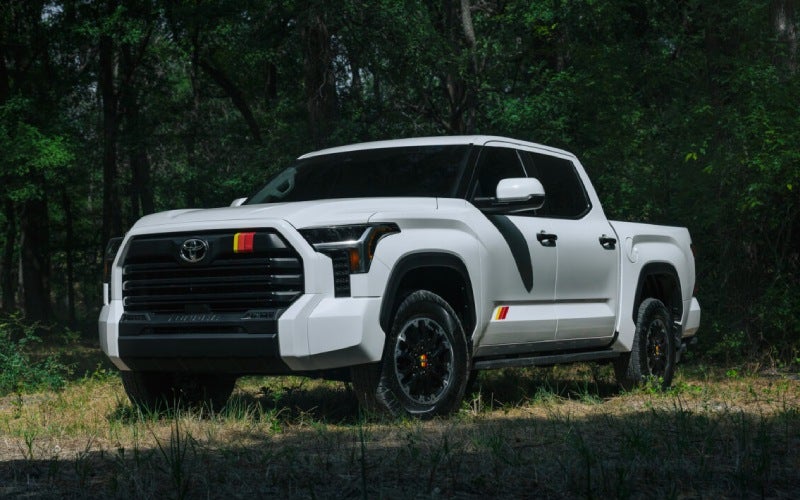
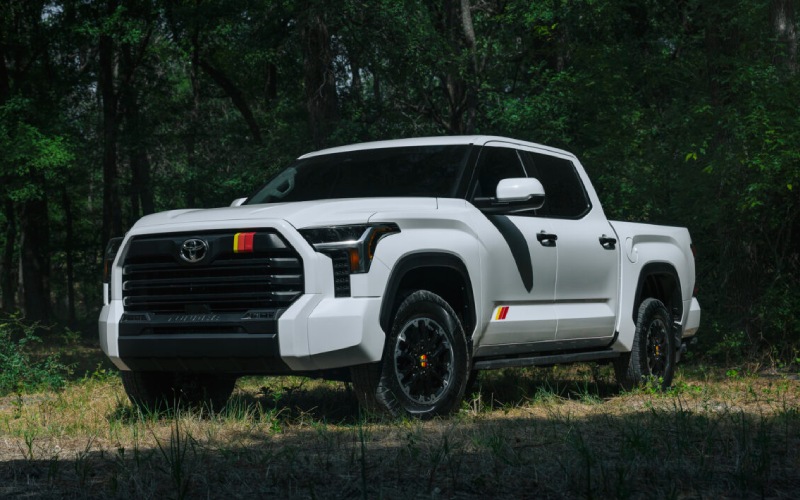
A full-size pickup with an 8.1-ft. bed can make a lot of sense around Great Falls, MT when your truck needs to handle real hauling without turning every errand into a compromise.

For shoppers considering the 2026 Toyota Tundra, the 8.1-ft. bed is worth a close look if your ownership needs include lumber, fencing supplies, jobsite gear, ranch equipment, camping cargo, or longer items that are awkward in a shorter bed. Around Great Falls, where a truck might move between 10th Avenue South, gravel driveways outside town, work locations near the river corridor, and weekend routes toward Belt, Fort Benton, or Choteau, bed length is not just a spec. It affects how naturally the truck fits your daily routine.

The FAQ: Is the 8.1-ft. bed too much truck for everyday Great Falls driving?

The 2026 Toyota Tundra with an available 8.1-ft. bed is not automatically too much truck for Great Falls, but it is best for drivers who regularly use the extra bed length and are comfortable planning a little more space when parking or maneuvering. If your truck frequently carries long materials, large totes, tools, outdoor gear, or work supplies, the added utility can be a major advantage. If your hauling is more occasional and your daily driving includes tighter parking lots, a 6.5-ft. or 5.5-ft. bed may feel easier to live with.

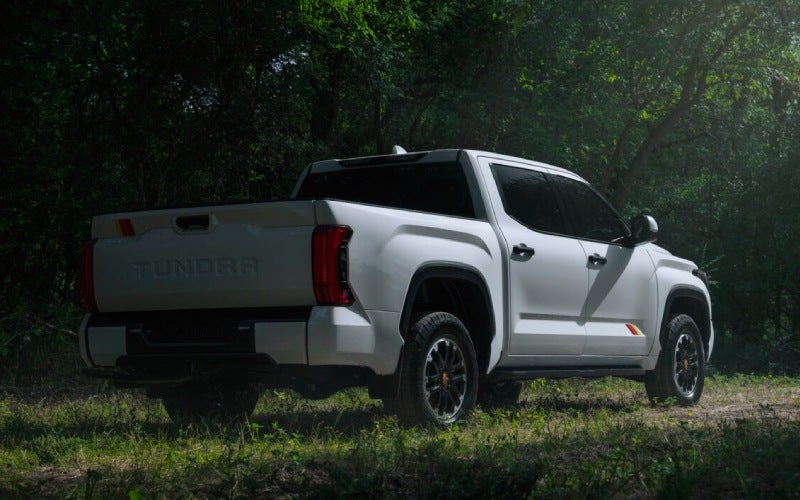
Tundra is available with 5.5-ft., 6.5-ft. and 8.1-ft. bed lengths, giving shoppers the ability to match the truck to the job instead of forcing one configuration to do everything. The standard composite bed is a key part of the story. Toyota describes it as an ultra-durable bed designed to act as a shield against dents, impacts, dings, and rust. That matters in a place where a pickup bed may carry everything from fence posts and toolboxes to coolers, firewood, and weekend equipment.

Why the longer bed can be useful in real ownership

The biggest reason to choose the 8.1-ft. bed is simple: length gives you flexibility. Longer cargo can sit flatter and more securely, and you may be able to reduce the need for a trailer on routine supply runs. For homeowners, contractors, outdoor enthusiasts, and rural property owners near Great Falls, that can make the truck feel more practical week after week.

Think about the difference between hauling a few bags of material and hauling long boards, conduit, ladders, fishing gear, or fencing supplies. A shorter bed can still be very useful, especially with proper tie-downs, but the 8.1-ft. bed reduces the amount of overhang and helps keep certain loads better supported. That can make loading, securing, and unloading feel more straightforward.

  • Long materials: The 8.1-ft. bed is helpful for boards, trim, pipe, ladders, and other items that benefit from extra support.
  • Work gear: Toolboxes, compressors, fuel cans, parts bins, and jobsite supplies can be organized with more room to spare.
  • Property chores: Fence materials, irrigation supplies, feed, firewood, and outdoor equipment are easier to manage with added bed space.
  • Weekend cargo: Camping gear, coolers, bikes, and larger recreational items can fit without crowding the cabin.

That said, bed length should match how you actually use your truck. If most of your driving is commuting, school pickup, grocery stops, and occasional light hauling, the 5.5-ft. bed or 6.5-ft. bed may be a better balance. If the bed is part of your weekly work life, the 8.1-ft. bed can feel like the right tool.

How the 2026 Tundra helps with maneuvering and confidence

A longer truck requires more awareness in parking lots, alleys, and tight turnarounds. That is true for any full-size pickup. The 2026 Toyota Tundra helps by offering useful technology that can make daily maneuvering less stressful. The available Panoramic View Monitor uses cameras on the front, sides and rear of the truck to provide a 360-degree view of what is going on outside. For a longer-bed Tundra, that added visibility can be valuable when backing near a garage, lining up in a parking space, or navigating around equipment and trailers.

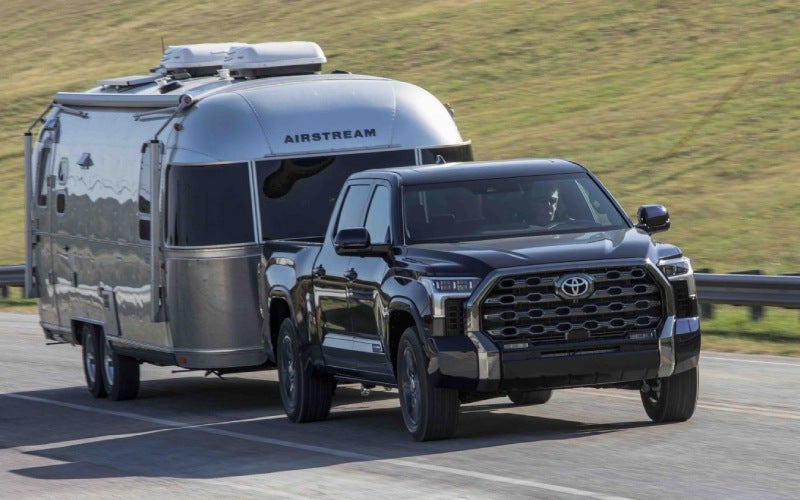
Available Trailer Backup Guide With Straight Path Assist is another feature to consider if towing is part of your ownership plan. Using sensors and cameras, this driver-assistance technology helps keep your trailer in a straight line as you back up. Around Great Falls, that can be useful when positioning a utility trailer, backing toward a gate, or lining up a boat or camper in a driveway. Even confident truck owners can appreciate technology that helps simplify repeat tasks.

The available 14-In. Multimedia Touchscreen and available 12.3-in. digital gauge cluster also support a modern ownership experience. Depending on configuration, the digital gauge cluster can provide access to safety and convenience features, navigation, audio controls, off-road features, towing functions and more. For shoppers comparing work-focused capability with daily comfort, Tundra is built to feel more advanced than a basic utility truck.

Powertrain and capability considerations

Bed length is only one part of choosing the right 2026 Tundra. Powertrain, towing needs, payload expectations, and trim selection all matter. Tundra offers the i-FORCE twin-turbo V6 engine with 389 horsepower and 479 lb.-ft. of torque, as well as the available i-FORCE MAX twin-turbo V6 hybrid engine with 437 horsepower and 583 lb.-ft. of torque. The i-FORCE MAX powertrain combines a turbocharged gasoline engine with an electric motor for added power, while the i-FORCE engine uses twin turbochargers to boost power for quick acceleration and strong performance.

When properly equipped, the 2026 Tundra offers a max towing capacity of 12,000 lbs. and a max payload of 1850 lbs. Those numbers are important, but your exact capacity depends on configuration, equipment, passengers, cargo, and accessories. If you are planning to tow a camper, haul equipment, or regularly carry heavy materials, our team at City Toyota can help you review the configuration details so your truck fits your actual use case.

  • Choose i-FORCE: A strong fit for drivers who want capable performance for everyday hauling, commuting, and routine towing needs.
  • Choose i-FORCE MAX: A smart option if you want the strongest Tundra output and responsive acceleration for towing or heavier workloads.
  • Review payload carefully: Passengers, bed cargo, accessories, and trailer tongue weight all affect the real-world load your truck carries.
  • Match the bed to the job: Extra bed length helps with bulky and long cargo, while shorter beds can be easier in tighter daily settings.

Tundra’s multi-link rear suspension is another ownership advantage. Toyota notes that the coil-spring suspension helps deliver ride comfort, towing stability and overall handling dynamics. For Great Falls drivers who spend time on paved streets, highway stretches, and rougher access roads, that can make the truck feel more composed than older full-size pickup expectations might suggest.

Parking, garages, and daily errands around Great Falls

Before choosing an 8.1-ft. bed, it is worth thinking through where your truck will spend most of its time. Measure your garage or driveway, consider whether you park downtown, and think about how often you use tighter lots during a typical week. A longer-bed truck may fit your life perfectly if you have room at home and use the bed often. If parking convenience is a top priority, a shorter configuration may be more relaxing day to day.

Great Falls has a mix of wide roads, commercial areas, residential neighborhoods, and rural access routes, so many shoppers find a full-size truck easy to justify. The main question is not whether Tundra belongs here. The better question is which Tundra layout fits your actual routine. Someone hauling tools from one jobsite to another may value the 8.1-ft. bed every day. Someone using a truck as a family vehicle with occasional dump runs may prefer a CrewMax-style setup with a shorter bed, depending on availability and needs.

At City Toyota, we can walk you through available Tundra grades and configurations, including gas and electrified options. The lineup includes work-ready choices as well as more premium models such as Limited, Platinum, 1794 Edition, TRD Pro, and Capstone configurations. Availability may vary, so the best next step is to compare real inventory and sit in the trucks in person.

Frequently Asked Questions:

Can a 2026 Toyota Tundra with an 8.1-ft. bed work as a daily driver in Great Falls, MT?

Yes, it can work well if you regularly need the extra bed length and have enough parking space at home or work. The 8.1-ft. bed is especially useful for longer cargo and work-related hauling. If your daily routine includes tighter parking or mostly passenger use, a 5.5-ft. or 6.5-ft. bed may be easier to manage.

Does the 2026 Toyota Tundra bed resist dents and rust?

The 2026 Tundra comes with a standard composite bed that Toyota describes as a shield against dents, impacts, dings, and rust. That is a practical advantage for owners who use the bed for tools, outdoor gear, building materials, or property maintenance supplies.

Which 2026 Toyota Tundra powertrain is better for towing around Great Falls?

The available i-FORCE MAX twin-turbo V6 hybrid engine delivers 437 horsepower and 583 lb.-ft. of torque, making it a strong choice for shoppers focused on towing power and responsive acceleration. The i-FORCE twin-turbo V6 engine also offers impressive strength with 389 horsepower and 479 lb.-ft. of torque. Our team can help you compare configurations based on what you plan to tow.

Can City Toyota help me compare Tundra bed lengths in person?

Yes. We welcome shoppers to visit City Toyota at 3900 10th Ave So in Great Falls, MT to compare 2026 Toyota Tundra configurations, review bed length options, explore available towing technology, and decide which setup best fits work, home, and weekend driving needs.

Find the right 2026 Tundra setup at City Toyota

The 2026 Toyota Tundra with an 8.1-ft. bed is a strong fit for Great Falls shoppers who want maximum bed utility without giving up modern comfort, power, and available technology. It is especially compelling if your truck needs to earn its place with real hauling capability. With available features like the Panoramic View Monitor, Trailer Backup Guide With Straight Path Assist, powerful i-FORCE and i-FORCE MAX powertrains, and a durable composite bed, Tundra is built for owners who expect a pickup to do more than look capable.

If you are deciding between Tundra bed lengths or powertrains, City Toyota is here to help. Visit our dealership in Great Falls, explore current inventory, and let us help you find the 2026 Toyota Tundra configuration that fits your daily driving, towing plans, and hauling needs with confidence.
Request more 2026 Toyota Tundra information

Posted in:

Related Posts

How the 2026 Toyota Tundra’s Trailer Backup Guide With Straight Path Assist Eases Tight Spots around Helena, MT

How the 2026 Toyota Tundra’s Trailer Backup Guide With Straight Path Assist Eases Tight Spots around Helena, MT

City Toyota - How the 2026 Toyota Tundra’s Trailer Backup Guide With Straight Path Assist Eases Tight Spots around Helena, MT Reversing a trailer can turn a calm Saturday into a clench-jawed tug-of-war with the steering wheel. The 2026 Toyota Tundra brings something refreshingly helpful to that moment: Trailer Backup Guide With Straight Path Assist. If your routine near Helena includes backing into a tight driveway, easing a small camper into a slot at a trailhead, or lining up a boat at Canyon Ferry Lake, this system is a quiet game-changer that reduces stress and builds confidence. What makes this technology feel natural is the way it blends into the tasks you already manage. No drama, no gimmicks—just camera views and guidance working with sensors to help keep your trailer true as you reverse. It removes guesswork without removing your control, which is exactly what most Montana drivers want when terrain, wind, and space combine to complicate a simple parking job. How Trailer Backup Guide With Straight Path Assist Works At its core, the system uses onboard cameras and sensors to understand the articulation between the Tundra and your trailer. As you begin reversing, guidance helps maintain a straight line—minimizing that nerve-wracking moment when a small steering correction suddenly turns into exaggerated jackknifing. Paired with the available Panoramic View Monitor, you can see obstacles and reference points from multiple angles, turning a once-stressful task into an easy, repeatable process. Setup is designed to be straightforward. Once a trailer is recognized, the truck’s available large-format displays—an available 14-in. touchscreen and available 12.3-in. digital gauge cluster—provide the visuals and prompts you need. You still look, steer, and brake, but you now have an assist that helps the trailer track straight. It is ideal for Helena’s tight residential streets, lighted storage facilities, or crowded boat launches where a clean back-in saves time and tempers. Why It Matters for Montana Driving Montana roads and facilities can be wide open one minute and unforgivingly tight the next. Downtown Helena alleys, angled driveways that collect gravel, or uneven shoulders near trailheads present challenges—even for seasoned drivers. Straight Path Assist shines in these moments by shrinking the learning curve for occasional towers and lowering fatigue for regulars who reverse a trailer multiple times per week. Think about gusty crosswinds rolling down I-15 or the subtle slope of a boat ramp that tries to push a trailer off line. Add a line of waiting anglers behind you, and the pressure rises fast. Straight Path Assist steadies this scenario. You still command the process, but the system’s guidance helps the trailer follow your intended line with fewer adjustments. The result is less back-and-forth and more precision on the first try. Features That Complement Trailer Backup Guide Panoramic View Monitor: Multiple camera angles, including a composite top-down view, help you spot curbs, posts, and tight margins. Digital displays: The available 12.3-in. gauge cluster and available 14-in. touchscreen keep the information large, clear, and right where you need it. Integrated Trailer Brake Controller: Available fine-tuning of trailer braking adds confidence on slopes and when adjusting your approach. Tow/Haul modes: Powertrain responses adapt to the added load for smoother control when maneuvering and pulling away. When these features work together, they turn a tricky chore into a predictable routine. Instead of creeping an inch at a time, hopping out to eyeball distances, and repeating the cycle, you can rely on the truck’s camera views and guidance to stay oriented and make clean, deliberate moves. Of course, the Tundra’s available i-FORCE MAX hybrid powertrain helps on the approach to those tight spots as well. With ample torque on tap, the truck eases forward smoothly and pulls away with authority—useful when a short, controlled burst of power gets your trailer centered or clears a ramp incline without drama. Common Scenarios Where It Helps Neighborhood back-ins: Narrow alleys, mailboxes, and utility poles are easier to navigate when the trailer tracks straight behind you. Trailhead parking: Shoulder parking and tight national forest turnouts around Mount Helena City Park demand crisp, confident moves. Boat ramps: Sloped, wet concrete and cross-breezes at Canyon Ferry Lake are less daunting with guidance that holds a straight line. Storage lots: Tight, right-angle turns into long, narrow spaces become more predictable with enhanced camera visibility. None of this replaces good habits—scanning surroundings, going slow, and setting up your approach. Instead, Trailer Backup Guide With Straight Path Assist works like a trusted spotter who never blinks and always keeps your trailer honest. Frequently Asked Questions: Does the system take over steering? No. You remain in control of the truck and trailer. The system provides guidance to help maintain a straight reversing path while you steer, look, and brake. Do I need special trailer equipment? The system uses the truck’s onboard cameras and sensors. Follow the setup prompts in the vehicle to ensure the truck recognizes your trailer and hitch geometry. Will it work on gravel or uneven surfaces? Yes, guidance still applies on gravel and uneven ground common around Helena. Always adjust speed and inputs for surface conditions and visibility. Is it useful for experienced towers? Absolutely. Experienced drivers appreciate fewer corrections and faster, cleaner back-ins—especially when space is tight or conditions add pressure. Which trims include this feature? Trailer Backup Guide With Straight Path Assist is available on select configurations of the 2026 Toyota Tundra. Our team can help you identify the right trim and package combination for your needs. For many drivers, this is a quality-of-life upgrade that quietly changes the way towing fits into the week. It lowers frustration, saves time, and encourages folks to say yes to more outings because the tough part is no longer the finale in the parking lot. That is especially true around Helena, where weekend plans often mix trailheads, campgrounds, and lake time with busy in-town stops. At City Toyota, we understand that tech only earns its place when it helps you do something better, not just differently. Trailer Backup Guide With Straight Path Assist does exactly that—helping confident drivers feel even more composed and helping newer towers gain skill more quickly. For shoppers serving Helena, Lewistown, and Fort Benton, it’s one of those features that feels instantly helpful the first time you try it and indispensable by the third. If backing up a trailer has ever kept plans short or led to a few extra laps around the lot, the 2026 Tundra’s combination of camera views, smart guidance, and strong low-speed control is worth a closer look. Pair it with the composite bed’s durability, the multi-link rear suspension’s stability, and the available i-FORCE MAX powertrain’s torque, and you have a truck that makes both arrival and departure feel simple. Request more 2026 Toyota Tundra information

Which 2026 Toyota Tundra bed length fits daily hauling needs around Kalispell, MT?

Which 2026 Toyota Tundra bed length fits daily hauling needs around Kalispell, MT?

City Toyota - Which 2026 Toyota Tundra bed length fits daily hauling needs around Kalispell, MT? Choosing the right bed length for a truck matters more than most shoppers realize, and the 2026 Toyota Tundra makes that decision easier with three durable composite options that resist dents, dings, and rust. If you haul building materials during the week and bikes or coolers on the weekend, picking the 5.5-ft., 6.5-ft., or 8.1-ft. bed is about more than cargo—it affects wheelbase, turning ease, and how comfortably the truck fits your garage or parking routines around town. What are the Tundra’s bed choices and who are they for? Tundra offers 5.5-ft., 6.5-ft., and 8.1-ft. aluminum-reinforced composite beds. The 5.5-ft. bed is a smart match for urban or tight neighborhood streets where maneuverability and garage fit are priorities, while still easily handling coolers, tools, and camping gear. The 6.5-ft. bed adds length for landscaping equipment, ladders, or dirt bikes without stretching overall length too far. The 8.1-ft. bed is the work-ready choice when you frequently carry longer construction materials, full-size appliances, or bulky cargo that benefits from added surface area. How does bed length affect daily driving and parking? Longer beds typically come with longer wheelbases, which can slightly widen turning circles and make tight lots feel busier. The flip side is stability—longer wheelbases can feel settled at highway speeds and more composed with a full load. If you navigate narrow alleys, tight driveways, or older garages, the 5.5-ft. or 6.5-ft. options may offer an easier daily rhythm. If your days revolve around lumber, pipe, or gear that hangs out of shorter beds, the 8.1-ft. bed minimizes tailgate-down trips and strap gymnastics. Will the composite bed really hold up? Yes. Tundra’s aluminum-reinforced composite bed is built to shrug off the typical wear that can scar steel. The material resists dents, impacts, dings, and rust, so jobsite drops and weekend use don’t add up to an early bedliner replacement. It’s a practical advantage that you’ll notice over time—less cosmetic worry and a bed that cleans up quickly after messy loads. How does towing factor into the bed-length decision? When towing, wheelbase and weight distribution shape the truck’s behavior. A longer wheelbase associated with longer beds can add a planted feel with a properly equipped trailer, working with Tundra’s standard Multi-Link Rear Suspension to keep things settled. If you frequently tow in close quarters—think angled driveways or narrow approaches—the 5.5-ft. or 6.5-ft. beds may make life easier without sacrificing the capability you need. What tech helps when maneuvering with cargo or a trailer? Tundra’s available Panoramic View Monitor provides a 360-degree camera view that’s incredibly helpful when positioning a long-bed truck in a tight space. For backing with a trailer, available Trailer Backup Guide With Straight Path Assist uses cameras and sensors to help keep the trailer straight as you reverse—reducing over-corrections and making the process feel more predictable. Pair these with the available 12.3-In. Digital Gauge Cluster and 14-In. Multimedia Touchscreen, and you have information and camera angles where you need them, when you need them. Quick ways to narrow your pick Use your day-to-day reality as the filter. If your weekdays center on tools and materials, and your weekends involve motorsports or yard projects, the 6.5-ft. bed often strikes a sweet spot between capacity and maneuverability. If your work demands maximum floor length—think siding, drywall, or piping—the 8.1-ft. bed is tough to beat. And if simple parking, tight streets, or garage depth are the hang-ups, the 5.5-ft. bed usually delivers the least friction without abandoning the utility that makes Tundra so capable. Garage Fit: Measure door-to-back-wall depth and allow room for walking clearance, shelves, or a closed tailgate. Typical Cargo: List your top five items by length to see if a shorter bed works with diagonal loading or if a longer bed saves time. Turning Needs: Consider alleys, construction zones, and parking lots you visit daily and how much space you usually have. Tow-Friendly Balance: If towing is frequent, note how a longer wheelbase can feel more planted with a properly equipped trailer. Growth Room: Think six months ahead—is your gear getting bigger or your projects more demanding? What about off-road packages and bed protection? If you’re aiming for trail time, the Tundra TRD Family offers the available TRD Off-Road Package and TRD Pro trim, layering on enhancements that complement the bed’s durability with additional chassis confidence. For owners who frequently haul loose aggregate or dirty gear, a rubber mat and tie-down accessories can keep loads in place while preserving that composite surface. The factory bed was built to stand up to real use, but smart accessories can tailor it perfectly to your routine. Where to get personalized guidance You do not have to decide alone. City Toyota is serving Kalispell, Bozeman, and Whitefish with team members who can walk you through bed-length implications, cab configurations, and powertrain choices based on your routes and gear list. Bring measurements, photos of your garage, and a rundown of what you haul. We will help you map the trade-offs so your final setup moves through your day with less effort and more confidence. However you configure it, the Tundra’s aluminum-reinforced composite bed gives you a durable foundation. Match that foundation to your real-world constraints—where you park, how you turn, and what you carry—and you will feel the benefits every day. If you are ready to put a few options side by side, schedule a hands-on walkaround and a focused test drive route that mirrors your daily cycle. The right bed length will make itself obvious once you see it working for your routine. Request more 2026 Toyota Tundra information

Which truck tows with more confidence near Helena, MT — the 2026 Toyota Tundra or the 2026 Ram 1500?

Which truck tows with more confidence near Helena, MT — the 2026 Toyota Tundra or the 2026 Ram 1500?

City Toyota - Which truck tows with more confidence near Helena, MT — the 2026 Toyota Tundra or the 2026 Ram 1500? When you are deciding between two capable half-ton pickups for towing, it helps to look beyond a single headline number and focus on how each truck behaves with a heavy load attached. The Tundra’s available i-FORCE MAX hybrid powertrain brings 437 hp and an authoritative 583 lb-ft of torque, which shows up as strong low-end pull and smoother launches on the ramp or from a stoplight. Ram counters with Hurricane I6 and HEMI V8 power, peaking at impressive horsepower figures and healthy torque. Still, the question most drivers ask is simple: which one feels more composed with a trailer? In controlled comparisons and our on-road impressions, the Tundra’s combination of torque delivery, chassis tuning, and towing-assist tech creates a calm, predictable experience—especially helpful for those newer to towing or anyone hauling frequently. Start with max capability. Properly equipped, the Tundra is rated to tow up to 12,000 lbs., while the Ram 1500 tops out at 11,610 lbs. That difference can matter if you are near the limit with a camper, boat, or equipment trailer. But towing confidence is not just about the rating—it is about how the truck helps you manage the load under real conditions. The Tundra builds in available tools like an Integrated Trailer Brake Controller, a clear Tow/Haul Mode, Trailer Backup Guide with Straight Path Assist to help maintain a controlled line in reverse, and a Panoramic View Monitor with multiple camera angles to keep you aware of your surroundings. Ram offers an extensive list of towing technologies as well, including a 360-degree camera and trailer steering aids, and it remains a strong competitor. The difference you feel most often, though, is the Tundra’s immediate hybrid torque when pulling away and its steady on-center feel at highway speed. Power delivery and control when it matters Torque at low rpm is your best friend when moving a heavy trailer from a dead stop or tugging up a grade. The Tundra’s i-FORCE MAX hybrid blends its electric motor with a twin-turbo V6 to deliver immediate response. That responsiveness reduces the need to “dig in” on the throttle and helps you settle into a smooth pace without drama. Ram’s strongest Hurricane configuration delivers big horsepower and robust torque, and it pulls with authority, but the Tundra’s torque curve feels tailor-made for repeatable, low-stress launches. On long two-lanes with a crosswind, steering stability and rear-suspension composure become the next differentiators. The Tundra’s multi-link coil-spring rear suspension keeps the truck planted and reduces lateral bobble that can lead to driver fatigue over time. Visibility and backup confidence Hitching and reversing a trailer are moments when good tech pays off. The Tundra’s available 14-in. touchscreen provides a wide, high-contrast view for cameras and trailer settings, and its Panoramic View Monitor helps you confirm clearances in tight storage yards or at a busy ramp. Trailer Backup Guide with Straight Path Assist is designed to simplify a tricky reverse by maintaining a controlled line; that can turn a tense task into a routine maneuver. Ram’s available surround-view camera system and trailer steering tools are valuable too, though the Tundra’s camera toggles and hitch view are particularly straightforward, which we find reduces second-guessing during setup. How bed design supports towing The Tundra’s standard aluminum-reinforced composite bed resists dents, scratches, and corrosion. That matters if you load heavy hitch hardware, chocks, and gear daily. A durable bed avoids unnecessary downtime or add-on fixes and keeps your truck looking fresh longer, even with frequent use. Ram’s steel bed is sturdy, but it requires more vigilance to prevent rust after hard impacts or abrasions. The Tundra’s available 8.1-ft. bed length on select configurations also provides extra room to secure long items without leaving the tailgate down—a plus when you are also managing tongue weight and balance. Frequently Asked Questions: Does the Tundra’s hybrid improve towing, or is it just about efficiency? The i-FORCE MAX hybrid’s biggest towing benefit is torque. The electric motor assists the twin-turbo V6 to deliver immediate response off the line, making starts smoother and reducing strain when pulling up grades or dealing with stop-and-go traffic while hitched. How do the trucks compare on camera and trailer tech? Both offer advanced camera systems and helpful backup tools. The Tundra’s Panoramic View Monitor, Trailer Backup Guide with Straight Path Assist, and clear 14-in. display make setup and reversing intuitive. Ram counters with a strong surround-view system and trailer steering aids; both are capable, with the Tundra’s interface earning high marks for simplicity. Is the difference in max tow ratings noticeable? If your trailer weight approaches five digits, the Tundra’s 12,000-lb rating provides a little extra headroom. More importantly, the Tundra’s steady chassis feel and hybrid torque make it easier to maintain control and confidence when you are close to capacity. What about ride comfort when not towing? Both trucks ride well, with coil-spring rear suspensions that smooth daily driving. The Tundra’s suspension tuning offers a planted feel in corners and over uneven pavement, contributing to a calm, composed character whether you are hitched or running empty. For shoppers comparing these two specifically for towing, capability numbers only tell part of the story. Hands on the wheel, the Tundra’s hybrid torque, camera clarity, and trailering software create a sense of ease that carries through hookup, highway miles, and the last precise back-in at your campsite or storage spot. That practical confidence is why many towing-focused owners favor the Tundra after test drives and real-world use. When you are ready to choose your setup and see how the technology feels in your hands, our team can help you try multiple configurations and walk through tow package options. City Toyota is serving Helena, Lewistown, and Fort Benton with product specialists who can answer detailed questions and line you up for a hands-on demo that reflects how you actually tow. Request more 2026 Toyota Tundra information